Are you tired of unevenly cooked, mushy, or dry white rice? Many home cooks struggle to achieve that ideal fluffy, separate-grained texture that perfectly complements any meal. The good news is, with the right knowledge and a reliable rice cooker, consistently perfect white rice is not just a dream—it’s an easily attainable reality. This comprehensive guide will transform your rice-cooking experience, offering insights into the best rice cookers, essential cooking techniques, and troubleshooting tips to ensure every batch of white rice is a masterpiece. Say goodbye to guesswork and hello to consistently delicious results.
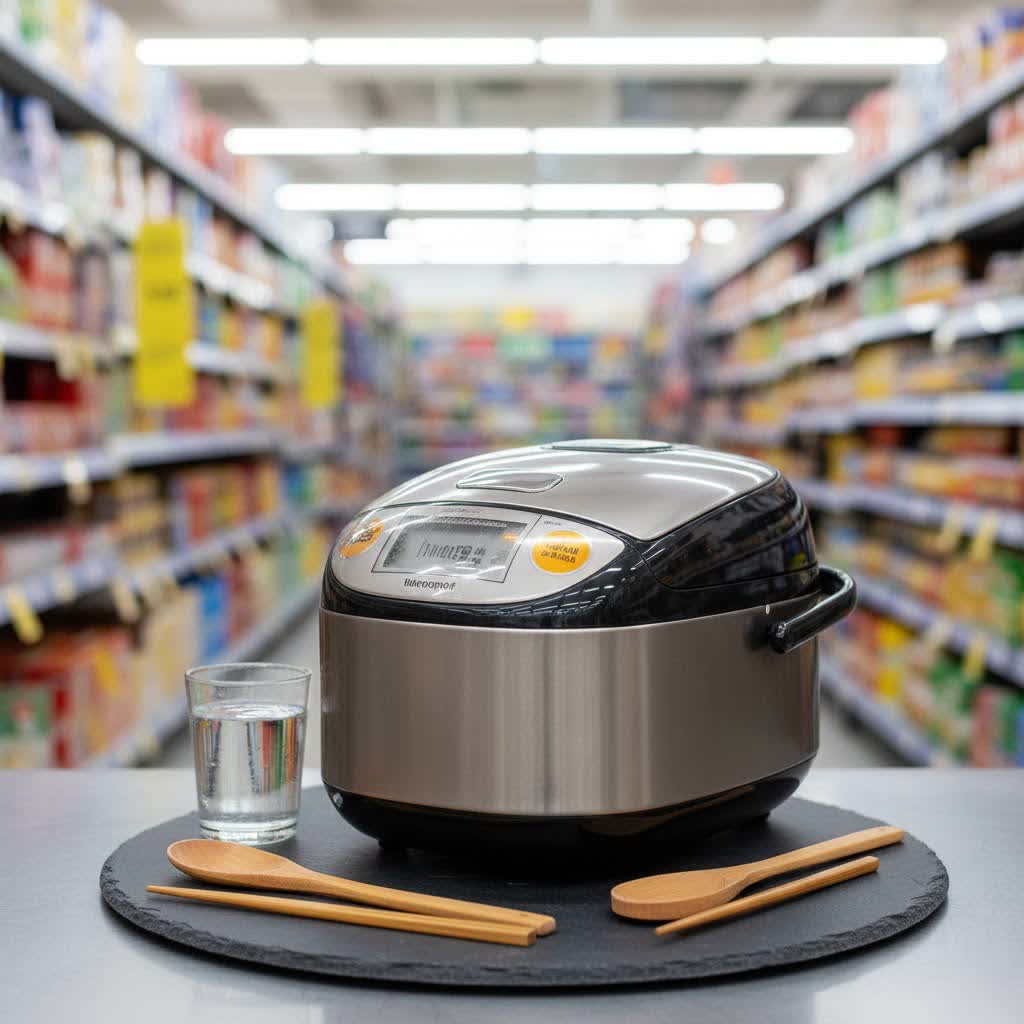
Table of Contents
- Introduction to Rice Cookers
- 1.1. What is a Rice Cooker?
- 1.2. A Brief History of Rice Cooker Development
- 1.3. Popular Types of Rice Cookers on the Market
- Types of Rice Cookers
- 2.1. Basic Rice Cookers
- 2.2. Electronic (Micom) Rice Cookers
- 2.3. Induction Heating (IH) Rice Cookers
- 2.4. Mini Rice Cookers
- 2.5. Low-Carb Rice Cookers
- Comparing Rice Cooker Types
- 3.1. Detailed Comparison: Which is Best for White Rice?
- Buying Guide: Choosing Your Ideal Rice Cooker
- 4.1. Determine Your Usage Needs
- 4.2. Set Your Budget
- 4.3. Key Factors to Consider When Buying
- 4.3.1. Capacity
- 4.3.2. Power
- 4.3.3. Inner Pot Material
- 4.3.4. Cooking Functions
- 4.3.5. Brand Reputation
- 4.3.6. Special Features
- 4.4. Where to Purchase Your Rice Cooker
- Top Rice Cookers for Perfect White Rice
- 5.1. Reviews by Price Segment
- 5.1.1. Premium Pick: Zojirushi Neuro Fuzzy/IH Rice Cookers
- 5.1.2. Mid-Range Marvel: Cuckoo Rice Cookers
- 5.1.3. Budget-Friendly Gem: Aroma Housewares Rice Cookers
- 5.1. Reviews by Price Segment
- How to Cook Perfect White Rice in a Rice Cooker
- 6.1. Essential Steps for Fluffy White Rice
- 6.2. Tips for Consistently Delicious White Rice
- Common Problems and Troubleshooting White Rice
- 7.1. Rice Too Sticky or Mushy
- 7.2. Rice Too Dry or Hard
- 7.3. Burnt Bottom or Crust
- 7.4. General Error Messages
- New Trends in Rice Cooker Technology
- 8.1. Emerging Technologies
- 8.2. The Rise of Smart Rice Cookers
1. Introduction to Rice Cookers
For many households, especially those with a deep appreciation for Asian cuisine, a rice cooker isn’t just an appliance—it’s an indispensable kitchen companion. This device simplifies the once-fussy task of cooking rice, consistently delivering superior results compared to stovetop methods. If you’re wondering how this seemingly simple machine has become a culinary staple, you’re in the right place.
1.1. What is a Rice Cooker?
|
Our Picks for the Best Rice Cooker in 2026
As an Amazon Associate I earn from qualifying purchases.
|
||
| Num | Product | Action |
|---|---|---|
| 1 | Elite Gourmet ERC003BX Electric Rice Cooker with Automatic Keep Warm Makes Soups, Stews, Grains, Hot Cereals, 6 Cups Cooked (3 Cups Uncooked), Black |

|
| 2 | Elite Gourmet ERC-003 Electric Rice Cooker with Automatic Keep Warm Makes Soups, Stews, Grains, Hot Cereals, White, 6 Cups Cooked (3 Cups Uncooked) |
|
| 3 | AROMA Digital Rice Cooker, 4-Cup (Uncooked) / 8-Cup (Cooked), Steamer, Grain Cooker, Multicooker, 2 Qt, Stainless Steel Exterior, ARC-914SBD |
|
| 4 | Beautiful 10-in-1 6 Qt Multi-Cooker with LED Digital Display – Multi-Function Appliance for Rice, Steam, Slow Cook, Sear, Roast & Daily Meals, Nonstick Pot, Space-Saving Solution for Kitchen Cooking |
|
| 5 | BLACK+DECKER Rice Cooker 6-Cup (Cooked) with Steaming Basket, Removable Non-Stick Bowl, White |
|
| 6 | AROMA® Rice Cooker, 3-Cup (Uncooked) / 6-Cup (Cooked), Small Rice Cooker, Oatmeal Cooker, Soup Maker, Auto Keep Warm, 1.5 Qt, White, ARC-363NG |
|
| 7 | Aroma Housewares 4-Cups (Cooked) / 1Qt. Rice & Grain Cooker (ARC-302NGP), Pink |
|
| 8 | Beautiful 10-in-1, 6-Qt Electric Multi-Cooker - Programmable Touch Display - 7 Presets up to 400 °F - Sear Slow-Cook Steam Rice Warm - Oven-Safe Pot & Lid (White) |
|
| 9 | Rice Robot Personal Rice Cooker, PFAS-free, Nonstick. 1 Quart Capacity, with Stainless Steel Steamer Tray, Measuring Cups, Recipe Book with 60 Recipes, and Serving Spoon, As Seen On TV |
|
| 10 | AROMA® Select Stainless® Rice Cooker, 3-Cup (Uncooked) / 6-Cup (Cooked), Stainless Steel Inner Pot, Small Rice Cooker, Auto Keep Warm, 1.2 Qt, White, ARC-753SG |
|
At its core, a rice cooker is an automated kitchen appliance designed to boil or steam rice perfectly. It typically consists of a main body with a heating element, an inner cooking pot, a lid, and a thermostat. Once activated, the cooker heats the water to boiling, then maintains a steady temperature to absorb the water into the rice grains until all the liquid is absorbed and the rice is fully cooked. Many models then automatically switch to a “keep warm” setting, ensuring your rice stays at an optimal serving temperature without overcooking.
1.2. A Brief History of Rice Cooker Development
The concept of an automatic rice cooker dates back to the 1930s, with early Japanese prototypes aiming to ease the daily chore of cooking rice. However, it was Toshiba’s introduction of the first practical electric rice cooker in 1955 that truly revolutionized kitchens. These early models were basic, relying on simple thermal sensors. Over the decades, advancements in technology brought about “fuzzy logic” (Micom) models, then Induction Heating (IH) technology, and now even smart, app-controlled cookers. Each evolutionary step has focused on greater precision, consistency, and versatility, transforming a utilitarian device into a sophisticated culinary tool capable of mastering various rice types.
1.3. Popular Types of Rice Cookers on the Market
Today’s market offers a wide array of rice cookers, each catering to different needs and budgets. From straightforward, single-button models ideal for everyday white rice to advanced multi-function devices, the choices can be overwhelming. Generally, they can be categorized into basic mechanical, advanced electronic (Micom), and premium Induction Heating (IH) units. Each type utilizes distinct heating methods and control systems that impact cooking performance, especially for delicate grains like white rice, and offers a varying degree of precision and convenience. Understanding these differences is key to choosing the right appliance for your kitchen.
2. Types of Rice Cookers
The world of rice cookers is more diverse than you might think, with each type offering distinct advantages and cooking methods. For achieving perfect white rice, understanding these categories helps in making an informed decision about your next kitchen investment.
2.1. Basic Rice Cookers
These are the simplest and most affordable rice cookers. They typically operate with a single switch and a basic thermostat. The heating element, located at the bottom, warms the inner pot, bringing the water to a boil. Once the water is fully absorbed and the temperature rises above the boiling point, a thermal sensor triggers the cooker to switch off or move to a “keep warm” mode. While excellent for straightforward white rice, they offer limited customization for different rice types or textures. Their reliability and ease of use make them a great entry-level option for anyone new to rice cooking.
2.2. Electronic (Micom) Rice Cookers
Stepping up in sophistication, electronic, or “Micom” (microcomputerized), rice cookers incorporate fuzzy logic technology. This means they have a microchip that makes small, intelligent adjustments to cooking temperature and time. Instead of a fixed cooking cycle, Micom models adapt based on the type of rice (white, brown, sushi, sweet, porridge), quantity, and even ambient temperature. This results in more consistently cooked rice with better texture and flavor. For white rice, these cookers often have dedicated settings that fine-tune the cooking process, ensuring each grain is perfectly plump and fluffy. They offer a wider range of pre-set functions beyond just cooking rice.
2.3. Induction Heating (IH) Rice Cookers
Induction Heating (IH) rice cookers represent the pinnacle of rice cooking technology. Unlike basic models that heat from the bottom, IH cookers use magnetic fields to generate heat throughout the entire inner pot. This 360-degree heating ensures incredibly even cooking and precise temperature control. The result is superior texture and flavor, as the rice cooks uniformly from all directions, minimizing scorching and maximizing moisture absorption. For connoisseurs who demand the absolute best white rice—from perfectly distinct long grains to ideal sticky short grains—an IH cooker, despite its higher price point, delivers unmatched performance. Many premium Zojirushi and Cuckoo models utilize this advanced technology.
2.4. Mini Rice Cookers
Perfect for individuals, couples, or small households, mini rice cookers are designed to handle smaller batches, typically 1 to 3 cups of uncooked rice. These compact appliances are space-efficient and ideal for preparing single servings without wasting energy or ingredients. While some mini models are basic, others incorporate Micom technology, offering specialized settings for white rice and other grains. They prioritize convenience and portion control, ensuring fresh, perfectly cooked white rice without the need for larger, bulkier machines. Dash and smaller Aroma models are popular choices in this category.
2.5. Low-Carb Rice Cookers
A newer innovation, low-carb or sugar-reducing rice cookers are designed to separate excess starch from the rice during the cooking process. These models typically feature a unique inner pot with drainage holes or a steaming basket that allows the starch-laden water to be collected separately. While their primary function is to reduce the carbohydrate content of rice, they can still produce well-cooked white rice. The resulting texture might differ slightly from conventionally cooked rice, but for those prioritizing health benefits, this type of cooker offers an intriguing option without sacrificing the convenience of automation.
3. Comparing Rice Cooker Types
When it comes to achieving perfect white rice, the type of rice cooker you use can make a significant difference. Here’s a detailed comparison to help you understand the strengths and weaknesses of each category.
3.1. Detailed Comparison: Which is Best for White Rice?
| Feature | Basic Rice Cooker | Electronic (Micom) Rice Cooker | Induction Heating (IH) Rice Cooker | Mini Rice Cooker | Low-Carb Rice Cooker |
|---|---|---|---|---|---|
| Price Range | Very Affordable ($20-$50) | Mid-Range ($50-$150) | Premium ($150-$400+) | Varies ($20-$100) | Higher End ($100-$300+) |
| Heating Method | Bottom heating element | Bottom heating element with fuzzy logic control | 360-degree electromagnetic heating (entire pot) | Bottom heating element (can be basic or Micom) | Bottom heating, starch separation mechanism |
| White Rice Quality | Good; consistent for simple white rice | Very Good; adapts for various white rice types | Excellent; superior texture, flavor, and consistency | Good to Very Good (depending on features) | Good; texture may be slightly different |
| Functions | Cook, Keep Warm | Multiple rice types (white, brown, sushi, etc.), quick cook, timer, porridge | Multiple precise settings, texture options, timer, reheat | Cook, Keep Warm (some with multiple settings) | Cook, Low-Carb, Keep Warm |
| Durability | Generally sturdy, but simpler components | Good, reliable electronics | Highly durable, advanced build quality | Varies greatly by brand and build quality | Specific design for starch removal |
| Quality of Cooked Rice | Reliably cooked, but less nuanced texture | Fluffy, even, and adapts to rice variations | Uniformly cooked, distinct grains, optimal moisture | Consistent for small batches, can be very good | Reduced starch, can be slightly firmer |
| Target User | Budget-conscious, occasional rice eaters | Regular rice eaters, desire for consistency & options | Connoisseurs, frequent rice eaters, prioritize quality | Singles, couples, small families, dorms | Health-focused individuals, diabetics |
| Pros for White Rice | Simple, affordable, reliable | Smart cooking, better texture, versatile | Unparalleled precision, best texture & aroma | Compact, efficient for small portions | Starch reduction benefit |
| Cons for White Rice | Less control, can sometimes scorch or be mushy | Still heats from bottom, not as even as IH | Expensive, larger footprint, longer cook times | Limited capacity, some are very basic | Higher price, texture might not be traditional |
For mastering white rice, especially specific varieties like Jasmine or Basmati, Micom and IH rice cookers truly shine. They offer the necessary precision to account for slight differences in grain size and starch content, ensuring consistent, fluffy results every time. However, a quality basic model can still produce very respectable white rice for everyday meals if used correctly.
4. Buying Guide: Choosing Your Ideal Rice Cooker
Selecting the perfect rice cooker for white rice involves more than just picking the first model you see. Consider these factors to ensure your choice aligns with your lifestyle and culinary aspirations.
4.1. Determine Your Usage Needs
Before diving into features, think about how you’ll use your rice cooker. How many people do you typically cook for? A solo individual will need a much smaller capacity than a family of four or someone who frequently entertains. How often do you eat rice? Daily rice eaters might benefit from a more durable, feature-rich model. Do you only cook white rice, or do you also prepare brown rice, mixed grains, or porridge? Some cookers excel at white rice but struggle with others. Understanding your primary use cases, especially for white rice, will narrow down your options significantly.
4.2. Set Your Budget
Rice cookers span a wide price range, from under $30 to several hundred dollars. Basic models are very affordable, offering straightforward functionality. Micom cookers usually fall into the mid-range, providing good value with enhanced features and improved consistency. Premium IH models, with their advanced technology and superior results, demand a higher investment. Determine how much you’re willing to spend, keeping in mind that a higher price often correlates with better performance, durability, and a wider range of features specifically designed to perfect your white rice.
4.3. Key Factors to Consider When Buying
Once you’ve established your needs and budget, delve into the specifics that define a great white rice cooker.
4.3.1. Capacity
Capacity is measured in “cups of uncooked rice.” A 3-cup cooker is usually suitable for 1-2 people, a 5.5-cup for 2-4 people, and a 10-cup for larger families or meal prepping. Remember that cooked rice expands significantly; a 5.5-cup cooker, for instance, typically yields about 10-11 cups of cooked rice. For white rice, it’s often better to cook at least half the cooker’s capacity to ensure optimal results.
4.3.2. Power
Rice cooker power, measured in watts, affects how quickly the unit heats up and cooks. While most modern rice cookers are optimized for efficiency, higher wattage can mean faster initial heating. However, for white rice, consistent and controlled heat is more crucial than raw power. Micom and IH models manage heating cycles intelligently, so wattage alone isn’t the sole determinant of quality.
4.3.3. Inner Pot Material
The inner pot is critical for cooking performance and easy cleaning.
- Non-stick coatings: Common and make for effortless serving and cleaning, but can degrade over time.
- Ceramic coatings: A popular alternative to traditional non-stick, often touted for being scratch-resistant and PFAS-free. Some users prefer the slight browning it can create at the bottom, known as nurungji.
- Stainless steel: Durable and non-reactive, but rice is more prone to sticking, requiring more effort to clean.
- Cast iron: Found in some high-end cookers (like traditional donabe), offers excellent heat retention for superior texture but is heavy and requires careful maintenance.
For white rice, a good quality non-stick or ceramic-coated pot ensures grains don’t stick and cleanup is a breeze.
4.3.4. Cooking Functions
Beyond the basic “cook” and “keep warm” settings, many rice cookers offer specialized functions. For white rice specifically, look for:
- White Rice setting: Often optimized for ideal fluffiness.
- Quick Cook: For when you’re short on time, though results might be slightly less perfect.
- Texture settings: Some advanced models allow you to choose between firmer or softer white rice.
- Timer/Delay Start: Extremely convenient for having fresh white rice ready exactly when you need it.
4.3.5. Brand Reputation
Brands like Zojirushi, Cuckoo, and Tiger are renowned for their high-quality, durable rice cookers, especially in the Micom and IH categories. Aroma and Dash offer reliable, budget-friendly options. KitchenAid is also emerging with innovative models. Investing in a reputable brand often means better performance, longer lifespan, and excellent customer support, particularly when you’re aiming for perfectly cooked white rice every time.
4.3.6. Special Features
Modern rice cookers boast an array of features that enhance convenience and cooking quality for white rice:
- Keep Warm function: Essential for maintaining rice temperature and moisture without overcooking.
- Fuzzy Logic technology: (As discussed) makes intelligent adjustments for optimal results.
- Induction Heating (IH): For superior, even cooking.
- Automatic cleaning functions: Simplifying maintenance.
- Melody or voice notifications: For cooking completion.
- Detachable inner lids: For easier cleaning.
- Pre-wash rice settings: To accommodate different preparation methods.
- Integrated scales: For precise water measurement.
4.4. Where to Purchase Your Rice Cooker
Rice cookers are widely available. You can find basic models at most department stores and supermarkets. For a wider selection, especially of Micom and IH models, consider electronics retailers, specialty kitchen appliance stores, or online marketplaces like Amazon, Walmart, or directly from manufacturer websites. Online shopping often provides competitive pricing and a broader range of models, along with user reviews to guide your decision for the perfect white rice cooker.
5. Top Rice Cookers for Perfect White Rice
When the goal is consistently fluffy, perfectly cooked white rice, certain rice cookers stand out. Here’s a look at top performers across different price segments.
5.1. Reviews by Price Segment
5.1.1. Premium Pick: Zojirushi Neuro Fuzzy/IH Rice Cookers
Zojirushi is almost synonymous with premium rice cookers, and their Neuro Fuzzy (Micom) and Induction Heating (IH) models are frequently cited as the best for white rice.
- Key Features: Fuzzy logic or IH technology for precise temperature control, multiple cooking settings for various white rice types (jasmine, basmati, short-grain, pre-washed), extended keep-warm cycles that maintain freshness for hours, and often a sleek design with clear, intuitive displays. The soaking cycle in IH models ensures rice fully absorbs water, leading to incredibly fluffy, tender, and distinct grains.
- Why it’s great for white rice: These cookers consistently produce white rice with an ideal texture, aroma, and moisture level. The advanced technology prevents scorching and ensures even cooking throughout the batch. The NP-HCC10 (IH) and NS-ZCC10 (Neuro Fuzzy) are highly recommended models, yielding noticeably more fragrant rice.
- Considerations: Higher price point, and some models can take longer to cook due to their meticulous cycles.
5.1.2. Mid-Range Marvel: Cuckoo Rice Cookers
Cuckoo, a popular Korean brand, offers excellent mid-range and premium options, often incorporating pressure cooking into their rice cooker designs, which can be a game-changer for white rice.
- Key Features: Many Cuckoo models are pressure rice cookers, significantly reducing cooking time while enhancing texture. They often feature various cooking modes, including specific ones for white rice, GABA rice, and even nurungji (crispy rice at the bottom). Some have advanced voice navigation and self-cleaning functions.
- Why it’s great for white rice: Pressure cooking ensures uniform heat distribution and forces moisture into the grains, resulting in exceptionally tender and chewy white rice in a shorter time frame. Models like the CRP-P1009SB are praised for speed and the ability to produce a delightful crispy layer if desired.
- Considerations: Can be bulkier due to pressure cooking components, and the pressure release can be noisy.
5.1.3. Budget-Friendly Gem: Aroma Housewares Rice Cookers
For those on a tighter budget, Aroma Housewares offers reliable and efficient rice cookers that consistently deliver good results for white rice.
- Key Features: Simple operation with often one-touch cooking, automatic keep-warm function, and compact designs. Many come with a steamer basket, measuring cup, and rice paddle, making them versatile for basic meal prep.
- Why it’s great for white rice: Despite their lower price, Aroma cookers often produce surprisingly well-cooked white rice—fluffy, tender, and with individual grains. They are straightforward, user-friendly, and a great value option for everyday use. The Aroma 4-cup or 8-cup models are frequently highlighted for their dependable performance.
- Considerations: Fewer advanced features, and some users note that brown rice might require water adjustments to avoid being too soft.
6. How to Cook Perfect White Rice in a Rice Cooker
Achieving fluffy, delicious white rice every time is simple with a rice cooker. Follow these steps and tips for consistently perfect results.
6.1. Essential Steps for Fluffy White Rice
- Measure Your Rice Accurately: Always use the measuring cup that comes with your rice cooker, as it’s often slightly smaller than a standard US cup (typically 180ml). This ensures you use the correct proportions indicated by the cooker’s inner pot markings or recipe.
- Rinse the Rice (Crucial for Most White Rice): Place your measured white rice in the inner pot or a fine-mesh sieve. Rinse it thoroughly under cold running water, stirring with your hand, until the water runs mostly clear. This removes excess starch, which is key to preventing sticky, mushy rice and achieving separate, fluffy grains. Rinse about 3-4 times.
- Add the Correct Water Ratio: This is the most critical step. For most white rice varieties like Jasmine or Basmati, a common starting ratio for rinsed rice in a rice cooker is 1 cup of rice to 1 to 1.25 cups of water. For long-grain white rice, some cookers suggest up to 1.5 cups of water per cup of rice. Always check your specific rice cooker’s manual and the markings on the inner pot, as these are calibrated for optimal results with your appliance. The “knuckle method” can work, but precise measurements are more reliable.
- Consider Soaking (Optional, but Recommended): For an even fluffier texture, let the rinsed rice sit in the measured water for 10-20 minutes before starting the cooking cycle. Soaking allows the grains to absorb water gradually, leading to more even cooking.
- Start the Cooking Cycle: Place the inner pot into the rice cooker, close the lid securely, and select the “White Rice” or “Cook” setting. The cooker will automatically manage the heating and cooking process.
- Allow a Resting Period: Once the cooking cycle is complete and the cooker switches to “keep warm” mode (or turns off), resist the urge to open the lid immediately. Let the rice rest for an additional 10-15 minutes. This crucial step allows residual steam to evenly distribute moisture, firming up the grains and preventing stickiness.
- Fluff and Serve: Open the lid carefully (steam will be hot) and use a rice paddle or fork to gently fluff the rice. This releases trapped steam and separates the grains, giving you that perfect, light texture.
6.2. Tips for Consistently Delicious White Rice
- Add a Pinch of Salt: A small pinch of salt (about ¼ teaspoon per cup of rice) enhances the flavor of your white rice. Add it along with the water.
- A Drop of Oil: A tiny amount of neutral oil (like vegetable or canola oil) can help prevent foaming and keep grains separate, adding a subtle gloss.
- Don’t Overfill: Never exceed the maximum fill line of your rice cooker. Overfilling can lead to uneven cooking, boil-overs, and potential damage to the appliance.
- Clean Regularly: Keep your inner pot and lid clean to maintain performance and hygiene.
7. Common Problems and Troubleshooting White Rice
Even with a rice cooker, sometimes white rice doesn’t turn out perfectly. Here are common issues and how to resolve them.
7.1. Rice Too Sticky or Mushy
This is often caused by too much water or insufficient rinsing.
- Solution: Reduce the water slightly for your next batch (e.g., use 1 cup of water for every cup of rice instead of 1.25). Ensure you rinse the rice thoroughly until the water is mostly clear to remove excess starch. Some rice varieties are naturally stickier; if you prefer less stickiness, try a different grain type or experiment with a colder water rinse.
7.2. Rice Too Dry or Hard
This indicates too little water or opening the lid too soon during the resting phase.
- Solution: Increase the water slightly for your next batch (e.g., use 1.25 cups of water for every cup of rice). Ensure the lid remains closed for the entire cooking and resting period (at least 10 minutes after the cycle finishes) to allow the rice to fully absorb moisture.
7.3. Burnt Bottom or Crust
While some cultures value a crispy rice crust (nurungji or tahdig), if it’s unintentional and undesirable, it usually means slightly too little water or the “keep warm” cycle is too hot or too long.
- Solution: Add a tiny bit more water next time. If your cooker has adjustable keep-warm settings, try a lower temperature or reduce the duration. Some high-end cookers have specific settings for a crispy bottom, ensure this isn’t accidentally activated.
7.4. General Error Messages
Modern electronic and IH rice cookers have sophisticated sensors. Error messages often indicate:
- Inner pot not seated correctly: Ensure the pot is fully inserted and the lid is closed properly.
- Sensor issues: Sometimes residue on the heating plate or sensor can interfere. Clean the heating plate and the bottom of the inner pot thoroughly.
- Overheating: Could be due to cooking without water or a malfunction.
- Solution: Consult your rice cooker’s manual for specific error codes and troubleshooting steps. If the issue persists, contact customer service.
8. New Trends in Rice Cooker Technology
The evolution of the rice cooker continues, with exciting innovations focused on greater convenience, precision, and integration into the modern smart home.
8.1. Emerging Technologies
Beyond traditional Micom and IH heating, manufacturers are exploring new frontiers. Advanced sensor technology allows for even finer adjustments to cooking profiles, optimizing for specific grain characteristics and desired textures. Some high-end models now feature multi-phase cooking, mimicking traditional stovetop methods with precise temperature changes throughout the cycle to develop richer flavor and superior texture in white rice. Material science is also advancing, with new inner pot coatings that offer enhanced durability and non-stick properties, improving both cooking performance and ease of cleaning.
8.2. The Rise of Smart Rice Cookers
The “smart home” trend has naturally extended to rice cookers. Newer models are beginning to integrate AI and IoT capabilities, allowing users to control their appliances remotely via smartphone apps. Imagine starting your rice cooker on your commute home so perfectly cooked white rice is ready the moment you walk through the door. These smart features can also offer personalized cooking recommendations, track cooking history, and even perform diagnostic checks. While still a developing segment, smart rice cookers promise an unprecedented level of convenience and control, making the art of cooking white rice more effortless than ever before.
Conclusion
Mastering perfect white rice with a rice cooker is an achievable culinary skill that elevates any meal. By understanding the different types of rice cookers, choosing the right one for your needs, and following simple, precise cooking steps, you can consistently achieve fluffy, delicious grains every time. Remember the importance of rinsing, accurate water ratios, and allowing your rice to rest. With continuous innovations in technology, rice cookers are becoming even more intelligent and user-friendly, ensuring that perfect white rice remains a staple on dining tables worldwide. What’s your favorite type of white rice to cook, and what rice cooker feature do you find most indispensable?
Frequently Asked Questions
What is the ideal rice to water ratio for white rice in a rice cooker?
For most white rice varieties like Jasmine or Basmati, a common ratio for rinsed rice in a rice cooker is 1 cup of rice to 1 to 1.25 cups of water. Always refer to your rice cooker’s specific instructions or the markings on the inner pot for the most accurate measurement.
Should I rinse white rice before cooking in a rice cooker?
Yes, it is highly recommended to rinse white rice before cooking. Rinsing removes excess starch from the surface of the grains, which helps prevent the rice from becoming sticky and clumpy, resulting in a fluffier and more appealing texture.
How long does it take to cook white rice in a rice cooker?
Cooking time for white rice in a rice cooker typically ranges from 25 to 55 minutes. Basic models might take around 25-30 minutes, while advanced Micom or IH cookers, especially those with soaking cycles, can take 40-55 minutes to achieve optimal texture.
Can I use any type of white rice in a rice cooker?
Yes, rice cookers are designed to cook various types of white rice, including long-grain (like Basmati), medium-grain, and short-grain (like Sushi rice). However, each type may require slightly different water ratios and some advanced cookers have specific settings to optimize results for each.
Why is my white rice sometimes sticky or mushy in the rice cooker?
Sticky or mushy white rice is usually due to too much water or insufficient rinsing. Ensure you are using the correct water-to-rice ratio for your specific rice cooker and rice type, and always rinse the rice thoroughly until the water runs mostly clear before cooking.
