For many households, the humble rice cooker is an indispensable kitchen appliance, transforming grains into perfectly fluffy, delectable rice with minimal effort. But with a dizzying array of models, technologies, and features available today, how do you choose a good rice cooker that truly fits your needs? As the Admin of ReviewMastr.com, with over a decade of hands-on experience in the world of rice cookers, I’m here to guide you through the intricacies, from advanced IH technology to premium ceramic inner pots, ensuring you make an informed decision like a seasoned pro.
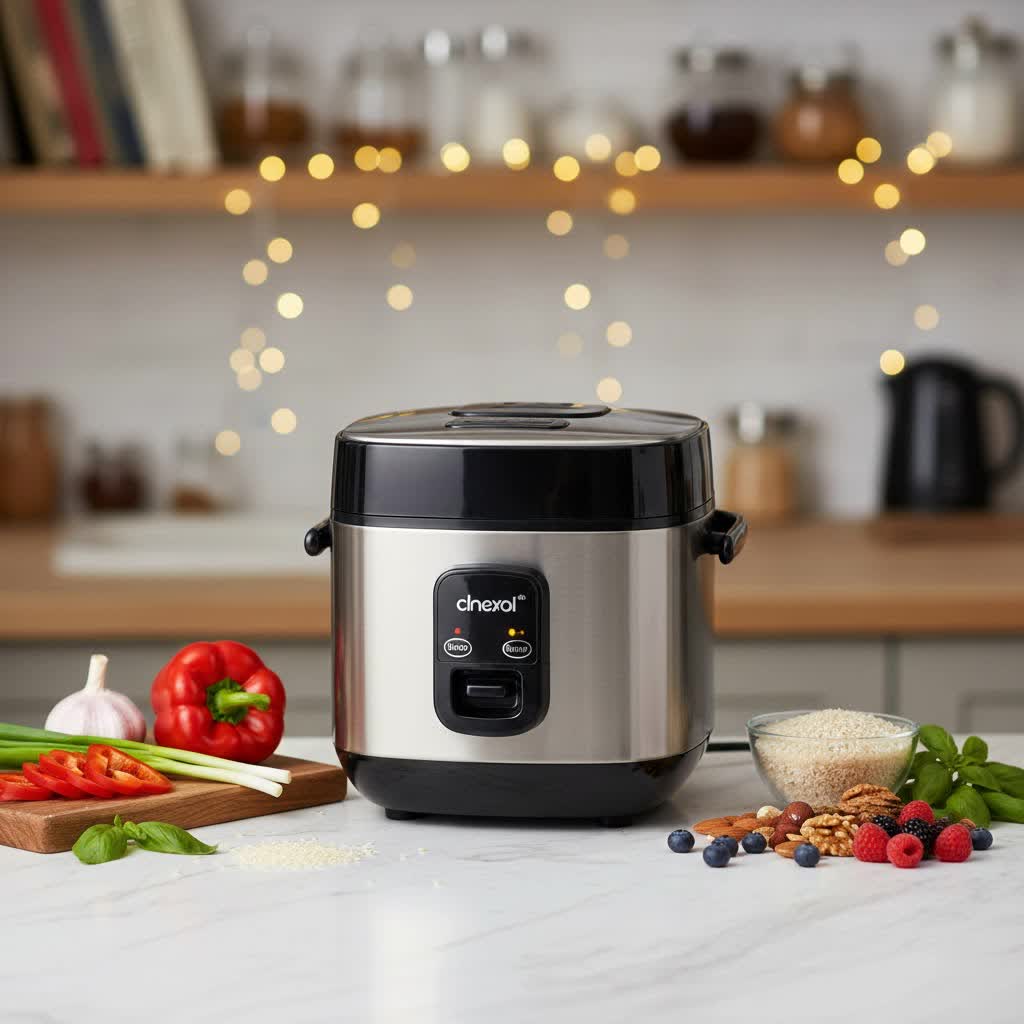
Table of Contents
- Introduction to Rice Cookers
- 1.1. What is a Rice Cooker?
- 1.2. History and Evolution of Rice Cookers
- 1.3. Popular Types of Rice Cookers on the Market
- Classification of Rice Cookers
- 2.1. Conventional Electric Rice Cookers
- 2.2. Microcomputer Controlled (Micom) Rice Cookers
- 2.3. Induction Heating (IH) Rice Cookers
- 2.4. Mini Rice Cookers
- 2.5. Sugar-Reducing Rice Cookers
- Comparing Rice Cooker Types (Comparison Table)
- 3.1. Detailed Comparison Table of Rice Cooker Types
- How to Choose a Rice Cooker (Buying Guide)
- 4.1. Identifying Your Needs
- 4.2. Budget Considerations
- 4.3. Key Factors When Buying a Rice Cooker:
- 4.3.1. Capacity
- 4.3.2. Power and Heating Method
- 4.3.3. Inner Pot Material
- 4.3.4. Cooking Functions and Presets
- 4.3.5. Brand Reputation and Reliability
- 4.3.6. Special Features
- 4.4. Where to Buy a Rice Cooker
- Top Rice Cookers Available Today (Review)
- 5.1. Detailed Reviews of Top Rice Cooker Models by Price Segment
- 5.1.1. Best Budget-Friendly Options
- 5.1.2. Best Mid-Range for Everyday Use
- 5.1.3. Best High-End for Connoisseurs
- 5.1. Detailed Reviews of Top Rice Cooker Models by Price Segment
- How to Use and Maintain Your Rice Cooker
- 6.1. Proper Usage for Perfect Rice and Longevity
- 6.2. Cleaning and Storage Tips
- Common Problems and Troubleshooting
- 7.1. Rice Cooker Not Turning On
- 7.2. Burnt or Scorched Rice
- 7.3. Undercooked or Overcooked Rice
- 7.4. Rice Cooker Overflowing or Leaking
- 7.5. Unusual Noises or Odors
- New Trends in Rice Cooker Technology
- 8.1. AI and IoT in Rice Cookers
- 8.2. The Rise of Smart Rice Cookers
1. Introduction to Rice Cookers
1.1. What is a Rice Cooker?
|
Our Picks for the Best Rice Cooker in 2026
As an Amazon Associate I earn from qualifying purchases.
|
||
| Num | Product | Action |
|---|---|---|
| 1 | AROMA® Rice Cooker, 3-Cup (Uncooked) / 6-Cup (Cooked), Small Rice Cooker, Oatmeal Cooker, Soup Maker, Auto Keep Warm, 1.5 Qt, White, ARC-363NG |

|
| 2 | Elite Gourmet ERC003BX Electric Rice Cooker with Automatic Keep Warm Makes Soups, Stews, Grains, Hot Cereals, 6 Cups Cooked (3 Cups Uncooked), Black |
|
| 3 | BLACK+DECKER Rice Cooker 6-Cup (Cooked) with Steaming Basket, Removable Non-Stick Bowl, White |
|
| 4 | Aroma Housewares 4-Cups (Cooked) / 1Qt. Rice & Grain Cooker (ARC-302NGP), Pink |
|
| 5 | Rice Robot Personal Rice Cooker, PFAS-free, Nonstick. 1 Quart Capacity, with Stainless Steel Steamer Tray, Measuring Cups, Recipe Book with 60 Recipes, and Serving Spoon, As Seen On TV |
|
| 6 | AROMA® Select Stainless® Rice Cooker, 3-Cup (Uncooked) / 6-Cup (Cooked), Stainless Steel Inner Pot, Small Rice Cooker, Auto Keep Warm, 1.2 Qt, White, ARC-753SG |
|
| 7 | Beautiful 10-in-1, 6-Qt Electric Multi-Cooker - Programmable Touch Display - 7 Presets up to 400 °F - Sear Slow-Cook Steam Rice Warm - Oven-Safe Pot & Lid (White) |
|
| 8 | Elite Gourmet ERC-003 Electric Rice Cooker with Automatic Keep Warm Makes Soups, Stews, Grains, Hot Cereals, White, 6 Cups Cooked (3 Cups Uncooked) |
|
| 9 | AROMA Digital Rice Cooker, 4-Cup (Uncooked) / 8-Cup (Cooked), Steamer, Grain Cooker, Multicooker, 2 Qt, Stainless Steel Exterior, ARC-914SBD |
|
| 10 | Beautiful 10-in-1 6 Qt Multi-Cooker with LED Digital Display – Multi-Function Appliance for Rice, Steam, Slow Cook, Sear, Roast & Daily Meals, Nonstick Pot, Space-Saving Solution for Kitchen Cooking |
|
A rice cooker is an automated kitchen appliance designed to boil or steam rice perfectly. It typically consists of a main body, an inner cooking pot, a heating element, and a thermostat. This ingenious device simplifies the often tricky process of cooking rice on a stovetop, ensuring consistent results without constant supervision.
1.2. History and Evolution of Rice Cookers
The concept of automating rice cooking dates back centuries, but the modern electric rice cooker emerged in Japan in the mid-20th century. Early models were simple “cook-and-hold” devices, relying on a basic thermostat to detect water absorption. Over decades, they evolved to incorporate microcomputers, induction heating, and now, even artificial intelligence, transforming from a basic utility into a sophisticated culinary tool.
1.3. Popular Types of Rice Cookers on the Market
The market offers a diverse range of rice cookers, each catering to different needs and budgets. From straightforward conventional models to advanced Induction Heating (IH) and smart cookers, understanding these variations is key. They vary in heating technology, programmable features, capacity, and the overall quality of the cooked rice, allowing consumers to choose based on their specific culinary requirements.
2. Classification of Rice Cookers
2.1. Conventional Electric Rice Cookers
Conventional electric rice cookers are the most basic and affordable type, ideal for those seeking simplicity. They operate with a single heating element at the bottom of the pot and an on/off switch. Once the water is absorbed, a thermostat triggers the “keep warm” function, preventing overcooking. They’re straightforward and effective for standard white rice.
2.2. Microcomputer Controlled (Micom) Rice Cookers
Also known as “fuzzy logic” rice cookers, Micom models feature a microcomputer chip and sensors that intelligently adjust cooking time and temperature. This allows for more precise cooking, accommodating different types of rice (e.g., brown, sushi, porridge) and even varying ambient conditions. They often include programmable timers and dedicated presets, delivering superior texture compared to conventional models.
2.3. Induction Heating (IH) Rice Cookers
Induction Heating (IH) rice cookers are a significant leap in technology. Instead of heating just from the bottom, IH models use magnetic coils to generate heat throughout the entire inner pot. This results in incredibly even and consistent heating, cooking each grain of rice more thoroughly and producing superior texture and flavor. Many IH models also incorporate Micom technology for advanced control.
2.4. Mini Rice Cookers
Designed for individuals or small households, mini rice cookers typically have capacities ranging from 1.5 to 3 cups of uncooked rice. These compact units are perfect for preparing single servings or small batches, saving counter space while still delivering perfectly cooked rice. They come in conventional, Micom, and sometimes even basic IH versions.
2.5. Sugar-Reducing Rice Cookers
Sugar-reducing, or low-carb, rice cookers are designed to lessen the carbohydrate content of rice. They typically achieve this by separating the starchy water from the rice during the cooking process. While the effectiveness can vary by model, these cookers aim to offer a healthier option for those managing blood sugar or carb intake, often featuring a two-pot system or a draining mechanism.
3. Comparing Rice Cooker Types (Comparison Table)
Choosing the right rice cooker depends on balancing features, performance, and budget. Here’s a detailed comparison to help you understand the key differences across popular types:
3.1. Detailed Comparison Table of Rice Cooker Types
| Feature | Conventional Electric | Micom (Fuzzy Logic) | Induction Heating (IH) | Mini Rice Cooker | Sugar-Reducing Rice Cooker |
|---|---|---|---|---|---|
| Price Range | $30 – $80 | $80 – $250 | $250 – $600+ | $20 – $100+ | $80 – $300+ |
| Heating Method | Single bottom heating element | Bottom heating element + sensor | Entire inner pot (magnetic) | Varies (often conventional) | Varies (often conventional/Micom with draining) |
| Cooking Quality | Basic, consistent for white rice | Good, adaptable for various rice types | Excellent, perfectly even, enhanced flavor | Good for small batches | Variable, focused on carb reduction |
| Functions | Cook, Keep Warm | Multiple presets, delay timer, textures | Advanced presets, faster, longer keep warm, superior texture | Cook, Keep Warm, some basic presets | Specific low-carb function, usually with standard rice modes |
| Inner Pot | Basic non-stick aluminum | Enhanced non-stick, often thicker | Multi-layered, heavy-gauge, advanced non-stick/ceramic | Basic non-stick | Often two-pot system, stainless steel, non-stick |
| Durability | Moderate | Good | Excellent, built to last | Moderate | Good |
| Target User | Budget-conscious, simple needs | Everyday users, varied rice types, convenience | Connoisseurs, demanding cooks, superior results | Singles/Couples, small spaces | Health-conscious, carb-conscious |
| Energy Use | Low | Moderate | Moderate to High | Low | Moderate |
4. How to Choose a Rice Cooker (Buying Guide)
Selecting the best rice cooker for your home involves more than just picking a brand. It’s about understanding your lifestyle and culinary preferences.
4.1. Identifying Your Needs
Start by considering your household size and how often you cook rice. Do you cook rice daily for a large family, or occasionally for yourself? Do you prefer specific types of rice, or do you want to experiment with grains like quinoa or steel-cut oats? Answering these questions will narrow down your options significantly. If you frequently entertain, a larger capacity might be beneficial, but for daily use, matching the cooker size to your average serving is key.
4.2. Budget Considerations
Rice cooker prices span a wide range, from under $50 for basic models to over $600 for premium, feature-rich units. While it’s tempting to opt for the cheapest, investing a bit more often translates to better performance, durability, and a wider range of features. Determine what features are essential versus desirable to align with your budget.
4.3. Key Factors When Buying a Rice Cooker:
4.3.1. Capacity
Capacity is measured in uncooked cups. As a general rule, 1 cup of uncooked rice yields about 2 bowls of cooked rice.
- 1-3 cups: Ideal for singles or couples.
- 3-5 cups: Suitable for small to medium families (2-5 people).
- 5-10 cups: Best for larger families or those who frequently host guests.
Choosing the right size ensures optimal cooking and avoids issues like underfilling or overfilling.
4.3.2. Power and Heating Method
The heating method directly impacts rice quality.
- Conventional/Electric: Heats from the bottom, simple, good for basic white rice.
- Micom (Fuzzy Logic): Uses a microcomputer and sensors for more precise temperature and time control, offering versatility for different rice types.
- Induction Heating (IH): Heats the entire inner pot, providing the most even cooking and superior rice texture. This is my top recommendation for those prioritizing taste and consistency.
- Pressure IH: Combines IH with pressure for even softer, more tender rice, particularly beneficial for tougher grains like brown rice.
4.3.3. Inner Pot Material
The inner pot is crucial for both cooking performance and durability.
- Non-stick (coated aluminum): Most common, easy to clean, but coatings can degrade over time.
- Stainless Steel: Durable and non-reactive, but can be prone to sticking if not properly cared for. Often found in multi-cookers.
- Ceramic/Clay: Naturally non-stick, excellent heat retention, and can impart a unique flavor. These are often seen in traditional or premium models.
- Heavy-gauge, multi-layered: Found in high-end IH models, these pots ensure even heat distribution and exceptional durability.
4.3.4. Cooking Functions and Presets
Modern rice cookers offer a variety of functions beyond just cooking white rice. Look for:
- Presets: Dedicated settings for white rice, brown rice, sushi rice, mixed grain, porridge, GABA rice, quick cook, and even steam.
- Delay Timer: Allows you to set the cooking to start at a later time, so fresh rice is ready when you need it.
- Keep Warm: Automatically switches to a warming mode after cooking, maintaining ideal temperature without drying out the rice, sometimes for up to 12 hours.
- Steaming Tray: A basket for steaming vegetables or other foods simultaneously with rice.
4.3.5. Brand Reputation and Reliability
Reputable brands often guarantee better product quality, customer service, and longer lifespans. Brands like Zojirushi, Cuckoo, Tiger, and Panasonic are renowned for their advanced technology and consistent performance. However, there are also excellent value-for-money options from brands like Aroma and Hamilton Beach for those on a tighter budget.
4.3.6. Special Features
Advanced models may include:
- Fuzzy Logic: The ability of the microcomputer to “think” and adjust cooking parameters for optimal results.
- AI & IoT Connectivity: Remote control via smartphone apps, customized cooking settings, and even automatic reordering of rice.
- Self-Cleaning Functions: Some pressure IH models offer high-temperature sanitization cycles.
- Voice Control: Integration with smart home systems for hands-free operation.
“Choosing a good rice cooker is like finding a trusted kitchen partner. It’s not just about cooking rice; it’s about simplifying your life and elevating your meals. Always prioritize quality of the inner pot and the heating technology if consistent, perfect rice is your goal.” – Admin, ReviewMastr.com
4.4. Where to Buy a Rice Cooker?
You can find rice cookers at major electrical appliance stores, large supermarkets, and a wide array of online retailers. Online shopping often provides more variety and competitive pricing, while brick-and-mortar stores allow you to see and feel the product before purchase. Always compare prices and read recent reviews from verified buyers.
5. Top Rice Cookers Available Today (Review)
Based on extensive testing and user feedback, here’s a breakdown of excellent rice cooker options across different price points, focusing on their general characteristics and benefits rather than specific model numbers which can change frequently.
5.1. Detailed Reviews of Top Rice Cooker Models by Price Segment
5.1.1. Best Budget-Friendly Options (Under $100)
For those just starting out or needing a reliable, no-frills cooker, budget options deliver surprising performance. These often fall into the conventional electric category, sometimes with basic Micom features.
- Characteristics: Simple one-button operation, automatic keep-warm, often come with a steamer basket, non-stick aluminum inner pot.
- Benefits: Excellent value, easy to use, compact size, perfectly cooks white rice.
- Ideal for: Students, small apartments, occasional rice eaters. While they might not have fancy presets, they excel at delivering consistently fluffy white rice.
5.1.2. Best Mid-Range for Everyday Use ($100 – $250)
This segment offers a sweet spot between affordability and advanced features, typically dominated by Micom (fuzzy logic) models.
- Characteristics: Digital controls, multiple cooking presets (brown rice, sushi, porridge), delay timers, thicker non-stick inner pots, sometimes stainless steel exteriors.
- Benefits: Versatility for different rice types, improved consistency and texture over basic models, convenient programming.
- Ideal for: Families, those who cook various grains regularly, individuals seeking more control and better results.
5.1.3. Best High-End for Connoisseurs (Over $250)
For the ultimate rice cooking experience, high-end models, primarily IH and Pressure IH, are unmatched. These are built for perfection, offering superior taste and texture.
- Characteristics: Advanced IH or Pressure IH heating, often with multi-layered, heavy-gauge inner pots (sometimes ceramic or charcoal-infused), extensive custom programs, AI-powered adjustments, sleek designs.
- Benefits: Unparalleled rice quality (evenly cooked, perfect texture, enhanced sweetness), exceptional durability, sophisticated control over every aspect of cooking, long-lasting keep-warm functions.
- Ideal for: Rice enthusiasts, large families who prioritize top-tier performance, those who demand the absolute best from their kitchen appliances.
6. How to Use and Maintain Your Rice Cooker
Proper usage and maintenance are critical for both the longevity of your rice cooker and the consistent quality of your cooked rice.
6.1. Proper Usage for Perfect Rice and Longevity
- Accurate Measurement: Always use the measuring cup provided with your rice cooker. Rice-to-water ratios are crucial and often vary by cooker and rice type.
- Rinsing Rice: For many rice types, especially white rice, rinsing until the water runs clear removes excess starch, preventing stickiness and foaming.
- Don’t Overfill: Never exceed the maximum capacity markings on the inner pot to avoid overflow and uneven cooking.
- Secure the Lid: Ensure the lid is properly closed and sealed to maintain pressure and temperature throughout the cooking cycle.
- Avoid Frequent Opening: Opening the lid during cooking can release steam and heat, disrupting the process and affecting rice quality.
- Fluff After Cooking: Once the cooker switches to “keep warm,” let the rice rest for 10-15 minutes, then gently fluff it with a rice paddle to release steam and separate grains.
6.2. Cleaning and Storage Tips
- Unplug Before Cleaning: Always ensure the rice cooker is unplugged and cooled before cleaning.
- Inner Pot: Wash the non-stick inner pot with warm, soapy water and a soft sponge. Avoid abrasive scrubbers that can damage the coating. Wipe the exterior dry completely before placing it back.
- Lid and Vent: Detachable inner lids and steam vents should be removed and washed. Ensure they are dry before reassembly to prevent mold or bacterial growth.
- Exterior: Wipe the exterior body with a damp cloth. Never immerse the main unit in water.
- Heating Plate: Keep the heating plate at the bottom of the main unit clean and free of rice grains or debris. A dirty plate can impair heat transfer and cause uneven cooking.
- Storage: Store the rice cooker in a cool, dry place. Ensure all parts are completely dry to prevent odors, mold, or rust.
7. Common Problems and Troubleshooting
Even the best rice cookers can encounter issues. Here’s a guide to common problems and how to troubleshoot them.
7.1. Rice Cooker Not Turning On
If your rice cooker fails to power up, check the following:
- Power Supply: Ensure the plug is securely inserted into a functioning wall outlet. Test the outlet with another appliance.
- Power Cord: Inspect the power cord for any visible damage, fraying, or burn marks.
- Internal Fuse/Thermostat: Some models have internal fuses or thermostats that can fail. This usually requires professional repair or replacement.
7.2. Burnt or Scorched Rice
Burnt rice at the bottom is a common frustration:
- Incorrect Water Ratio: Too little water can cause the rice to burn quickly. Double-check your measurements.
- Dirty Heating Plate/Sensor: Residue or debris between the inner pot and heating plate can hinder accurate temperature sensing, leading to overheating. Ensure a clean connection.
- Worn Non-Stick Coating: If the non-stick coating of your inner pot is severely damaged, rice will stick and burn. Consider replacing the inner pot or the cooker.
- Leaving on “Cook” Too Long: Ensure the cooker switches to “Keep Warm” mode promptly.
7.3. Undercooked or Overcooked Rice
Inconsistent rice texture often points to:
- Inaccurate Water-to-Rice Ratio: This is the most frequent culprit. Adjust the water level slightly for your desired consistency (less for firmer, more for softer).
- Old or Damaged Heating Element: An aging cooker might not heat efficiently or evenly.
- Dirty Sensor: A dirty temperature sensor can give inaccurate readings, affecting the cooking cycle.
- Improper Rice Rinsing: For some rice types, not rinsing sufficiently can lead to mushy rice due to excess starch.
7.4. Rice Cooker Overflowing or Leaking
If water or steam escapes during cooking:
- Overfilling: Exceeding the maximum fill line for both rice and water is a primary cause.
- Faulty Gasket/Lid Seal: Inspect the rubber gasket around the lid for damage, cracks, or improper seating. A compromised seal allows steam and water to escape.
- Lid Misalignment: Ensure the lid is securely and correctly aligned before starting the cooker.
- Blocked Steam Vent: A clogged steam vent can cause pressure buildup and leakage. Clean it thoroughly.
7.5. Unusual Noises or Odors
Strange sounds or smells indicate a problem:
- Popping/Hissing: Often due to excessive pressure from overfilling or a blocked vent. Also, a dirty heating plate can cause uneven heating leading to popping sounds.
- Burning Smell: Immediately unplug the cooker. This can indicate burning rice (see 7.2), or potentially an electrical issue. If it’s electrical, cease use and seek professional help.
- Mold/Musty Odor: A sign of improper cleaning or storage. Thoroughly clean all parts and ensure they are dry before storing.
8. New Trends in Rice Cooker Technology
The world of rice cookers continues to evolve, embracing cutting-edge technology to enhance convenience and performance.
8.1. AI and IoT in Rice Cookers
The integration of Artificial Intelligence (AI) and the Internet of Things (IoT) is revolutionizing rice cookers.
- AI-Powered Cooking: AI allows rice cookers to “learn” from your preferences and past cooking cycles. Sensors measure temperature, water content, and even environmental conditions to adjust heat and pressure in real-time. This ensures consistently perfect rice tailored to individual tastes, optimizing factors like sweetness and texture. Some advanced models can even differentiate between new crop rice (higher water content) and older, dehydrated rice, adjusting accordingly.
- IoT Connectivity: IoT enables smart rice cookers to connect to your smartphone or smart home ecosystem. This allows for remote operation, such as starting cooking from the office so dinner is ready upon arrival, changing timer settings, and monitoring cooking status.
8.2. The Rise of Smart Rice Cookers
Smart rice cookers are becoming increasingly sophisticated, offering features that go far beyond traditional models. They provide a level of customization and convenience previously unimaginable.
- App Control: Users can select rice types, adjust texture firmness, and even download specific cooking algorithms for unique rice varieties through dedicated apps.
- Voice Control: Integration with virtual assistants for hands-free command.
- Multi-Cooking Functions: Many smart cookers offer additional capabilities like slow cooking, steaming, baking, and even fermenting.
- Automated Reordering: Some advanced models can even track rice consumption and automatically reorder when supplies are low, offering unparalleled convenience in the modern smart kitchen. The market for AI rice cookers is projected to see significant growth, reflecting the increasing consumer demand for connected, efficient, and personalized cooking experiences.
In conclusion, a good rice cooker is an investment that can profoundly enhance your daily cooking routine. Whether you opt for a simple conventional model or a high-tech AI-powered marvel, understanding the different types, key features, and proper maintenance will empower you to choose wisely. With the right rice cooker, you can consistently achieve that perfect bowl of fluffy, delicious rice, transforming a staple into a culinary delight.
What’s your favorite type of rice to cook, and what features do you value most in your rice cooker?
