Are you tired of cooking large batches of rice that go to waste, or struggling with unevenly cooked grains on the stovetop? For individuals, couples, or anyone with limited kitchen space, a 2-cup rice cooker is not just a convenience; it’s a culinary game-changer. This compact appliance perfectly balances efficiency with performance, ensuring you get fluffy, delicious rice every time without the fuss. Whether you’re a student in a dorm, living in a studio apartment, or simply prefer fresh, smaller portions, understanding the nuances of these mini marvels will help you make the best choice for your kitchen. Let’s delve into everything you need to know about 2-cup rice cookers, from their basic functions to advanced features, and how to pick the perfect one for your needs.
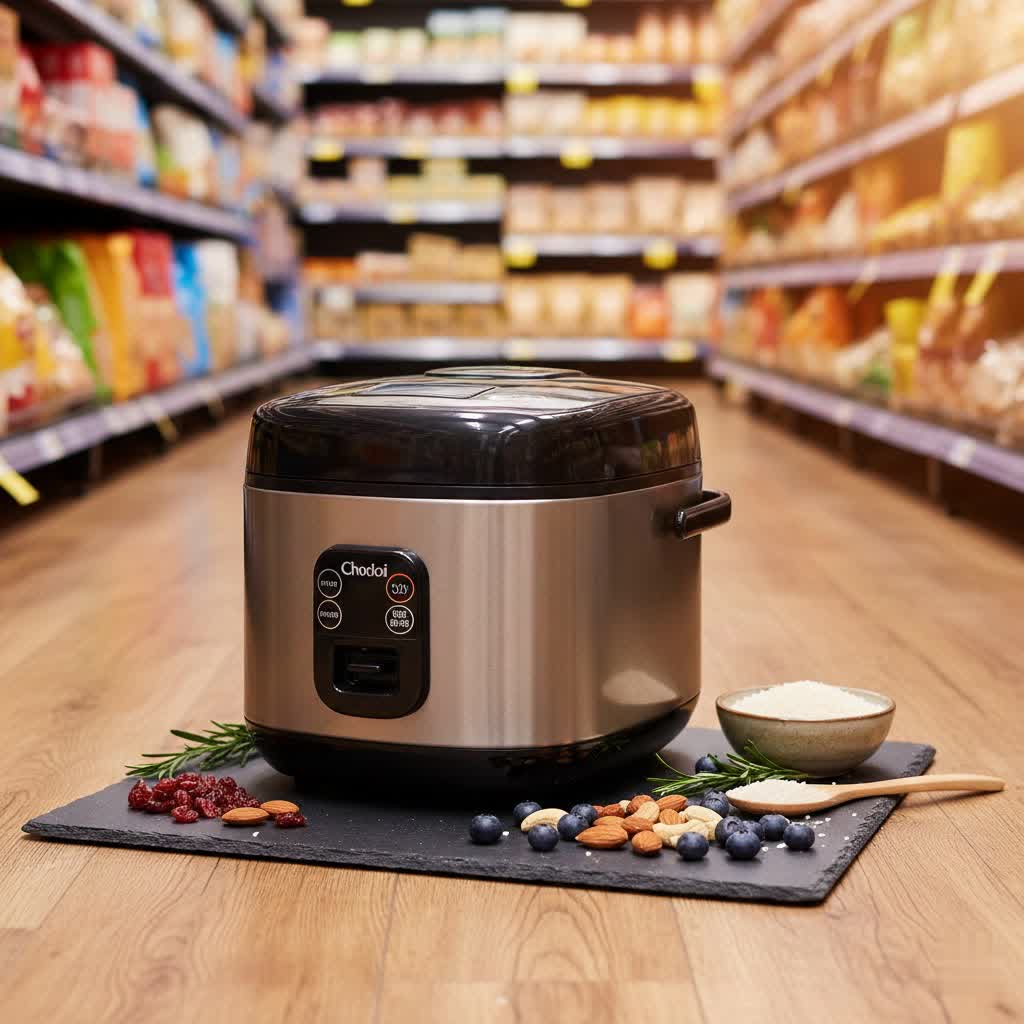
Table of Contents
- Introduction to Rice Cookers
- 1.1. What is a Rice Cooker?
- 1.2. History of Rice Cooker Development
- 1.3. Popular Types of Rice Cookers on the Market
- Classifying Rice Cookers
- 2.1. Basic Rice Cookers
- 2.2. Digital Rice Cookers
- 2.3. Induction Heating (IH) Rice Cookers
- 2.4. Mini Rice Cookers
- 2.5. Low-Carb/Sugar-Reducing Rice Cookers
- Comparing Rice Cooker Types (Comparison Table)
- 3.1. Detailed Comparison Table of Rice Cooker Types (Basic, Digital, IH, Mini, Low-Carb) by Criteria: Price, Functions, Durability, Rice Quality, Target User
- Buying Guide for Rice Cookers
- 4.1. Determine Your Needs (Number of People, Frequency of Use, Desired Functions)
- 4.2. Budget
- 4.3. Factors to Consider When Buying a Rice Cooker:
- 4.3.1. Capacity
- 4.3.2. Power Consumption
- 4.3.3. Inner Pot Material (Cast Iron, Aluminum, Non-stick, Ceramic…)
- 4.3.4. Cooking Functions (Rice, Porridge, Cake, Keep Warm…)
- 4.3.5. Brand and Reputation
- 4.3.6. Special Features (Delay Timer, Keep Warm, Self-Cleaning…)
- 4.4. Where to Buy a Rice Cooker? (Appliance Stores, Supermarkets, Online)
- Top 2-Cup Rice Cookers Today (Review)
- 5.1. Detailed Reviews of the Best 2-Cup Rice Cooker Models by Price Segment
- 5.1.1. Dash Mini Rice Cooker
- 5.1.2. Aroma Housewares 3-Cup (Cooked) Rice Cooker
- 5.1.3. Lakeland Two-Portion Mini Electric Rice Cooker
- 5.1. Detailed Reviews of the Best 2-Cup Rice Cooker Models by Price Segment
- How to Use and Maintain Your Rice Cooker
- 6.1. Proper Use for Delicious Rice and Durable Cooker
- 6.2. Tips for Cleaning and Maintaining Your Rice Cooker
- Common Problems and Troubleshooting
- 7.1. Rice Cooker Not Heating
- 7.2. Burnt Rice
- 7.3. Mushy Rice
- 7.4. Rice Cooker Error Codes
- New Rice Cooker Trends
- 8.1. New Technologies in Rice Cookers (AI, IoT)
- 8.2. Smart Rice Cookers
1. Introduction to Rice Cookers
1.1. What is a Rice Cooker?
|
Our Picks for the Best Rice Cooker in 2026
As an Amazon Associate I earn from qualifying purchases.
|
||
| Num | Product | Action |
|---|---|---|
| 1 | Elite Gourmet ERC-003 Electric Rice Cooker with Automatic Keep Warm Makes Soups, Stews, Grains, Hot Cereals, White, 6 Cups Cooked (3 Cups Uncooked) |

|
| 2 | AROMA Digital Rice Cooker, 4-Cup (Uncooked) / 8-Cup (Cooked), Steamer, Grain Cooker, Multicooker, 2 Qt, Stainless Steel Exterior, ARC-914SBD |
|
| 3 | Aroma Housewares 4-Cups (Cooked) / 1Qt. Rice & Grain Cooker (ARC-302NGP), Pink |
|
| 4 | BLACK+DECKER Rice Cooker 6-Cup (Cooked) with Steaming Basket, Removable Non-Stick Bowl, White |
|
| 5 | Beautiful 10-in-1, 6-Qt Electric Multi-Cooker - Programmable Touch Display - 7 Presets up to 400 °F - Sear Slow-Cook Steam Rice Warm - Oven-Safe Pot & Lid (White) |
|
| 6 | Rice Robot Personal Rice Cooker, PFAS-free, Nonstick. 1 Quart Capacity, with Stainless Steel Steamer Tray, Measuring Cups, Recipe Book with 60 Recipes, and Serving Spoon, As Seen On TV |
|
| 7 | Beautiful 10-in-1 6 Qt Multi-Cooker with LED Digital Display – Multi-Function Appliance for Rice, Steam, Slow Cook, Sear, Roast & Daily Meals, Nonstick Pot, Space-Saving Solution for Kitchen Cooking |
|
| 8 | AROMA® Rice Cooker, 3-Cup (Uncooked) / 6-Cup (Cooked), Small Rice Cooker, Oatmeal Cooker, Soup Maker, Auto Keep Warm, 1.5 Qt, White, ARC-363NG |
|
| 9 | AROMA® Select Stainless® Rice Cooker, 3-Cup (Uncooked) / 6-Cup (Cooked), Stainless Steel Inner Pot, Small Rice Cooker, Auto Keep Warm, 1.2 Qt, White, ARC-753SG |
|
| 10 | Elite Gourmet ERC003BX Electric Rice Cooker with Automatic Keep Warm Makes Soups, Stews, Grains, Hot Cereals, 6 Cups Cooked (3 Cups Uncooked), Black |
|
A rice cooker is an automated kitchen appliance designed to boil or steam rice. It consists of a housing, an inner cooking pot, a heating element, and a thermostat. This simple yet ingenious device cooks rice perfectly by maintaining a consistent temperature and automatically switching to a “keep warm” setting once the water has been absorbed, preventing burning or undercooking.
1.2. History of Rice Cooker Development
The concept of automated rice cooking dates back to the early 20th century, with the first commercial electric rice cooker introduced in Japan in the mid-1950s. Early models were basic, using a simple thermostat to detect temperature changes. Over decades, rice cookers evolved, incorporating advanced technologies like microcomputers (fuzzy logic) and induction heating (IH) to deliver superior rice quality and a wider range of cooking functions.
1.3. Popular Types of Rice Cookers on the Market
Today’s market offers a diverse array of rice cookers, catering to various needs and budgets. From simple, single-function models perfect for everyday use to high-tech, multi-functional appliances, the choices are abundant. Key categories include basic mechanical models, digital cookers with programmable settings, advanced Induction Heating (IH) and fuzzy logic models, and specialized mini or low-carb options. Each type brings unique advantages to the table, influencing factors like cooking performance, versatility, and price.
2. Classifying Rice Cookers
Rice cookers can be broadly categorized by their heating technology and control mechanisms, each offering distinct features and benefits.
2.1. Basic Rice Cookers
Basic rice cookers are the simplest and most affordable option. They typically feature a single “cook” switch and an automatic “keep warm” function. These models are ideal for those who primarily cook white rice and prefer straightforward operation without extra settings.
2.2. Digital Rice Cookers
Digital rice cookers, often referred to as micro-computerized or “fuzzy logic” rice cookers, utilize a microchip to monitor and adjust cooking temperature and time. This results in more precise cooking and better rice texture. They come with various preset programs for different rice types (brown rice, sushi rice) and other functions like porridge, steaming, and a delay timer.
2.3. Induction Heating (IH) Rice Cookers
IH rice cookers represent a premium tier, employing induction heating technology to heat the inner pot directly and more uniformly. This precise temperature control across the entire pot leads to exceptionally consistent and perfectly cooked rice. While more expensive, IH models are favored by connoisseurs for their superior performance and durability, often incorporating fuzzy logic as well.
2.4. Mini Rice Cookers
Mini rice cookers, including 2-cup models, are designed for small households, single servings, or those with limited counter space. They prioritize compactness and efficiency, typically offering basic or digital functionalities scaled down for smaller portions. These are highly portable and energy-efficient.
2.5. Low-Carb/Sugar-Reducing Rice Cookers
A newer trend, low-carb or sugar-reducing rice cookers are designed to reduce the carbohydrate content of rice by separating excess starch during the cooking process. These models often use a steaming basket system to drain starchy water, appealing to health-conscious consumers.
3. Comparing Various Rice Cooker Types (Comparison Table)
Choosing the right rice cooker depends heavily on your lifestyle and cooking habits. Here’s a detailed comparison to help you weigh the options:
3.1. Detailed Comparison Table of Rice Cooker Types
| Feature / Type | Basic Rice Cooker | Digital Rice Cooker | IH (Induction Heating) Rice Cooker | Mini Rice Cooker (e.g., 2-Cup) | Low-Carb/Sugar-Reducing Rice Cooker |
|---|---|---|---|---|---|
| Price Range | $15 – $50 | $40 – $150 | $150 – $400+ | $20 – $70 | $80 – $250 |
| Key Functions | Cook, Keep Warm | Multiple presets (white, brown, porridge, steam, delay timer, keep warm) | Advanced presets (GABA, sushi, specific textures), delay timer, extended keep warm | Cook, Keep Warm (some with digital presets, steam) | Low-carb rice, regular rice, often steaming |
| Durability | Moderate | Good | Excellent | Good (varies by brand) | Good |
| Rice Quality | Good (for white rice) | Very Good, consistent | Excellent, superior texture | Good to Very Good | Good (texture can vary slightly from traditional methods) |
| Target User | Budget-conscious, simple needs, infrequent cookers | Everyday users, varied rice types, want convenience and precision | Connoisseurs, frequent rice eaters, prioritize best quality and texture | Singles, couples, dorms, small kitchens, travelers | Health-conscious, dieters, those monitoring carb intake |
| Inner Pot Material | Non-stick aluminum | Non-stick aluminum/ceramic | Multi-layer, non-stick, ceramic, some with thicker induction-compatible materials | Non-stick aluminum/ceramic/stainless steel | Stainless steel sieve, non-stick pot |
| Special Features | N/A | Fuzzy Logic, programmable timer | Fuzzy Logic, precise temperature control, faster cooking | Compact, portable, energy-efficient | Starch-reduction, often multiple rice types |
4. Buying Guide for Rice Cookers
Navigating the market for a new rice cooker can be overwhelming, but focusing on your specific needs will simplify the process.
4.1. Determine Your Needs (Number of People, Frequency of Use, Desired Functions)
Before anything else, consider who you’re cooking for and how often. A 2-cup rice cooker is perfect for 1-2 people, yielding about 2-4 cups of cooked rice. If you cook rice daily, invest in a more durable model with precise controls. For occasional use, a basic model might suffice. Think about whether you need functions beyond just cooking white rice, such as brown rice, porridge, or steaming vegetables.
4.2. Budget
Rice cookers range widely in price. Basic 2-cup models can be found for under $30, while more advanced digital or IH models, even in compact sizes, can go up to $100 or more. Set a realistic budget based on the features and quality you prioritize.
4.3. Factors to Consider When Buying a Rice Cooker:
4.3.1. Capacity
For “2 cup rice cooker,” this typically refers to 2 cups of uncooked rice, which yields approximately 4 cups of cooked rice. This is ideal for 1-2 generous servings or 3-4 smaller side servings. Ensure the model you choose explicitly states its uncooked capacity.
4.3.2. Power Consumption
Mini rice cookers are generally energy-efficient, often consuming between 300-600 watts. This makes them suitable for dorms, RVs, or any situation with limited power capacity. Lower wattage generally means slower cooking, but also less energy use.
4.3.3. Inner Pot Material (Cast Iron, Aluminum, Non-stick, Ceramic…)
The inner pot material significantly impacts cooking performance and durability.
- Non-stick aluminum: Common, affordable, and easy to clean. Look for PFOA-free coatings.
- Ceramic: Often chemical-free (PFAS, PFOA, lead, cadmium), durable, and excellent for even heat distribution. Requires careful cleaning to maintain.
- Stainless steel: A healthy, chemical-free option, very durable and often dishwasher safe. Some users report rice sticking more easily without a good non-stick coating.
- Thicker multi-layer pots: Found in IH models, these improve heat retention and distribution for superior rice texture.
4.3.4. Cooking Functions (Rice, Porridge, Cake, Keep Warm…)
Beyond “cook” and “keep warm,” modern 2-cup rice cookers can offer surprising versatility:
- Specific grain settings: For white, brown, sushi, or mixed rice.
- Porridge/Oatmeal: Perfect for breakfast.
- Steam function: Often includes a steaming tray for vegetables or dumplings.
- Slow cook: Some models double as mini slow cookers for stews or soups.
- Cake: A fun, unexpected feature for small desserts.
4.3.5. Brand and Reputation
Reputable brands often guarantee better build quality, consistent performance, and reliable customer support. Look for brands known for their small appliances, and always check recent customer reviews.
4.3.6. Special Features (Delay Timer, Keep Warm, Self-Cleaning…)
- Delay Timer: Allows you to set the cooker to start at a later time, so you wake up to fresh rice or come home to a ready meal.
- Automatic Keep Warm: Essential for keeping rice at an optimal serving temperature without drying it out or burning.
- Self-Cleaning: While rare in very small models, some larger digital cookers offer this, typically by steaming to loosen residue.
4.4. Where to Buy a Rice Cooker? (Appliance Stores, Supermarkets, Online)
Rice cookers are widely available.
- Appliance stores: Offer a good selection, knowledgeable staff, and often allow you to see models in person.
- Supermarkets/Department stores: Convenient for basic models, sometimes feature budget-friendly options.
- Online marketplaces: Provide the widest selection, competitive pricing, and user reviews. Be sure to check return policies and warranty information.
5. Top 2-Cup Rice Cookers Today (Review)
The market for compact rice cookers is robust, with several excellent options that deliver perfectly cooked rice for small households.
5.1. Detailed Reviews of the Best 2-Cup Rice Cooker Models by Price Segment
5.1.1. Dash Mini Rice Cooker
The Dash Mini Rice Cooker is a perennial favorite for its ultra-compact size and straightforward operation.
- Capacity: 2 cups cooked rice (1 cup uncooked).
- Features: One-touch operation (cook/keep warm), non-stick removable inner pot, included measuring cup and spatula. Often comes in vibrant colors.
- Pros: Extremely compact, perfect for single servings or small portions for two, very easy to use, quick cooking (around 20-35 minutes for white rice). Can also cook oatmeal, soups, and steamed vegetables.
- Cons: Limited features, some users report uneven cooking or sticking if water ratio isn’t precise.
- Ideal for: Students, solo dwellers, travel, small apartments, secondary cooker.
5.1.2. Aroma Housewares 3-Cup (Cooked) Rice Cooker
While often listed as a 3-cup cooked capacity (which means 1.5 cups uncooked), Aroma offers very compact models that fit the “mini” category.
- Capacity: Varies, but typically around 3 cups cooked (1.5 cups uncooked) for their smallest models.
- Features: Simple one-touch operation, automatic keep-warm, some models include a steaming tray for simultaneous cooking. Non-stick inner pot.
- Pros: Reliable brand, consistent cooking, often very affordable. Good for small families or individuals who want a bit more flexibility than a true single-serve.
- Cons: Might be slightly larger than some “mini” options, usually basic functions.
- Ideal for: Small families, couples, those wanting a reliable, budget-friendly option.
5.1.3. Lakeland Two-Portion Mini Electric Rice Cooker
A popular choice, especially in the UK, known for intelligent cooking and good design.
- Capacity: Two portions (equivalent to 1-2 cups uncooked rice).
- Features: Intelligent cooking system, delay timer, automatic keep-warm. Often has a sturdy build.
- Pros: Produces great rice with minimal intervention, delay timer is excellent for meal planning, small footprint.
- Cons: Cooking times might be slightly longer than some basic models.
- Ideal for: Couples, individuals who appreciate smart features and reliable performance in a compact design.
“A 2-cup rice cooker isn’t just about size; it’s about simplifying your daily routine. Perfectly fluffy rice, every time, with minimal effort – that’s the real magic these compact appliances offer.” – Admin, ReviewMastr.com, Rice Cooker Expert
6. How to Use and Maintain Your Rice Cooker
Maximizing the lifespan and performance of your 2-cup rice cooker involves understanding proper usage and regular maintenance.
6.1. Proper Use for Delicious Rice and Durable Cooker
- Measure accurately: Always use the measuring cup provided with your rice cooker, as it’s typically 180ml and not a standard US cup (240ml). This ensures the correct rice-to-water ratio.
- Rinse your rice: For best results, rinse rice under cold water until the water runs clear. This removes excess starch, leading to fluffier, less sticky rice.
- Add the right amount of water: Follow the water lines inside the inner pot, corresponding to the number of rice cooker cups you’re cooking.
- Don’t open the lid: Resist the urge to peek during cooking, as this releases steam and heat, affecting the cooking process.
- Fluff the rice: Once cooked and after the “keep warm” cycle has started (allow 5-10 minutes), fluff the rice gently with the provided spatula to release steam and prevent clumping.
6.2. Tips for Cleaning and Maintaining Your Rice Cooker
- Unplug before cleaning: Always ensure the cooker is unplugged and cooled down before cleaning.
- Wash inner pot: Most inner pots are non-stick and can be washed with warm, soapy water and a soft sponge. Avoid abrasive scrubbers that can damage the coating. Many are dishwasher safe.
- Clean the lid and steam vent: Removable lids and steam vents should be cleaned regularly to prevent build-up.
- Wipe exterior: Use a damp cloth to wipe down the exterior housing. Never immerse the main unit in water.
- Check heating plate: Occasionally, wipe the heating plate at the bottom of the main unit to ensure no rice grains or debris interfere with heat transfer.
7. Common Problems and Troubleshooting
Even with simple appliances, issues can arise. Here’s how to tackle some common rice cooker problems.
7.1. Rice Cooker Not Heating
If your rice cooker isn’t heating up, first check if it’s properly plugged into a functioning outlet. Ensure the “cook” button or switch is engaged. Sometimes, a faulty thermal fuse or heating element might be the culprit, which typically requires professional repair or replacement.
7.2. Burnt Rice
Burnt rice often indicates too little water, too much rice for the capacity, or a malfunctioning thermostat. Double-check your rice-to-water ratio using the included measuring cup and ensure you’re not exceeding the maximum capacity. If the problem persists, the heating element or thermostat might need inspection.
7.3. Mushy Rice
Mushy rice is usually a sign of too much water, insufficient rinsing, or opening the lid too frequently during cooking. Adjust your water level, thoroughly rinse your rice, and avoid lifting the lid. Some rice varieties also require less water than others.
7.4. Rice Cooker Error Codes
Digital rice cookers may display error codes. Consult your user manual for specific meanings and troubleshooting steps. Common errors often relate to sensor issues, improper pot placement, or overheating. Unplugging and replugging the unit can sometimes reset minor glitches.
8. New Rice Cooker Trends
The world of kitchen appliances is always evolving, and rice cookers are no exception, with new technologies enhancing convenience and performance.
8.1. New Technologies in Rice Cookers (AI, IoT)
While less prevalent in 2-cup models due to their focus on simplicity and affordability, larger, premium rice cookers are beginning to incorporate advanced technologies. AI (Artificial Intelligence) and IoT (Internet of Things) capabilities might include:
- Adaptive cooking: AI-powered sensors that learn your preferences and rice types, adjusting cooking cycles for optimal results.
- Remote control: IoT connectivity allowing you to start, stop, or monitor cooking from your smartphone.
- Recipe integration: Access to a vast database of recipes directly through the cooker’s interface or companion app.
8.2. Smart Rice Cookers
Smart rice cookers leverage these technologies to offer unparalleled convenience. Imagine a cooker that automatically detects the type of rice you’ve added and adjusts settings accordingly, or one that integrates with your smart home ecosystem. While these innovations are more common in larger, higher-end models, the trend indicates a future where even compact rice cookers might offer more intelligent and connected features, further simplifying meal preparation for the modern, busy individual.
Conclusion
The 2-cup rice cooker is an indispensable tool for anyone seeking perfectly cooked rice in smaller portions, without the hassle of stovetop methods. Its compact design makes it ideal for cramped kitchens, dorms, or simply a minimalist lifestyle. From basic, single-button models to more advanced digital options with steaming and delay functions, there’s a 2-cup rice cooker to match every need and budget. By understanding key factors like capacity, inner pot material, and desired features, you can confidently choose an appliance that delivers consistent, fluffy rice and simplifies your daily cooking routine.
Are you ready to enjoy perfectly cooked rice, effortless and every time?
Frequently Asked Questions
What is the actual cooked yield of a 2-cup rice cooker?
A 2-cup rice cooker typically refers to 2 cups of uncooked rice, which yields approximately 4 cups of cooked rice. This amount is ideal for 1-2 generous servings or 3-4 smaller side servings, making it perfect for singles, couples, or small families.
Can a 2-cup rice cooker cook other grains besides rice?
Yes, many 2-cup rice cookers are surprisingly versatile. Depending on the model, they can often cook other grains like quinoa, oatmeal, and couscous, and some even come with steam trays for vegetables or functions for making porridge, soups, or stews. Always check the specific model’s features.
Is a 2-cup rice cooker energy efficient?
Mini rice cookers, including 2-cup models, are generally more energy-efficient than larger rice cookers or cooking rice on a stovetop. Their lower wattage (often 300-600W) and smaller heating area mean they consume less power, making them a cost-effective choice for daily use.
How do I prevent rice from sticking to the bottom of my 2-cup rice cooker?
To prevent sticking, ensure your rice cooker has a good non-stick inner pot. Always rinse your rice thoroughly before cooking to remove excess starch. After cooking, allow the rice to rest on the “keep warm” setting for 5-10 minutes before fluffing it gently with a non-abrasive spatula.
What’s the difference between a mechanical and a digital 2-cup rice cooker?
A mechanical 2-cup rice cooker typically has a simple on/off switch for cooking and automatically switches to “keep warm.” A digital (or fuzzy logic) 2-cup rice cooker, however, features a control panel with programmable settings, a delay timer, and specific modes for different rice types or other grains, offering more precision and versatility.
