The humble rice cooker has transformed from a simple kitchen appliance into a sophisticated culinary companion, a testament to how technology can elevate everyday tasks. If you’ve ever battled with burnt bottoms, mushy textures, or undercooked grains, you understand the frustration of imperfect rice. As someone with over a decade of hands-on experience in the rice cooker industry, from sales to technical repair, I’ve witnessed firsthand the evolution of these devices, including advanced Induction Heating (IH) technology and high-grade ceramic inner pots. This guide will share objective insights and practical advice, helping you choose the best rice cooker for your family’s needs and ensuring perfectly cooked rice with effortless consistency.
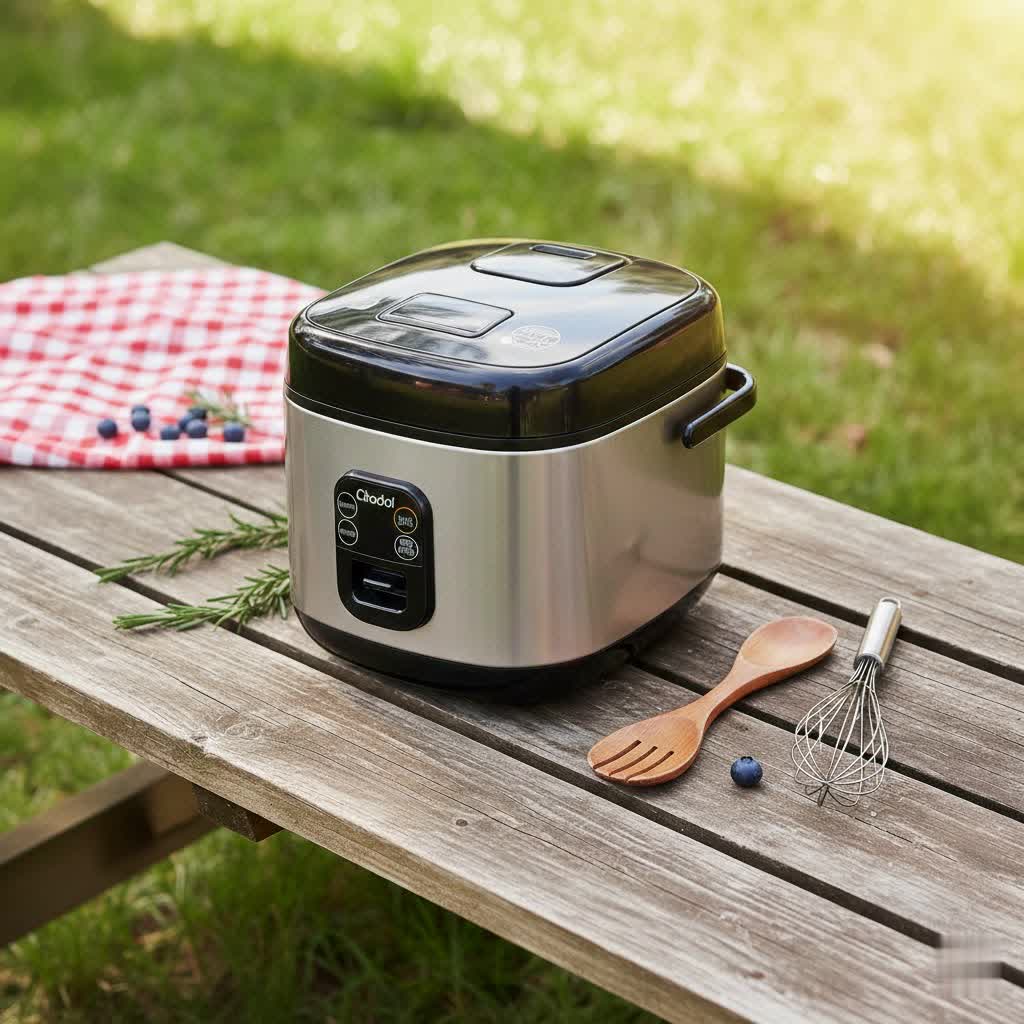
Table of Contents
- Introduction to Rice Cookers
- 1.1. What is a Rice Cooker?
- 1.2. History of Rice Cooker Development
- 1.3. Popular Types of Rice Cookers on the Market
- Classification of Rice Cookers
- 2.1. Basic Rice Cookers
- 2.2. Digital Rice Cookers
- 2.3. Induction Heating (IH) Rice Cookers
- 2.4. Mini Rice Cookers
- 2.5. Sugar-Reducing Rice Cookers
- Comparing Rice Cooker Types (Comparison Table)
- 3.1. Detailed comparison table of rice cooker types
- Rice Cooker Buying Guide
- 4.1. Determine Your Needs
- 4.2. Budget
- 4.3. Factors to Consider When Buying a Rice Cooker
- 4.3.1. Capacity
- 4.3.2. Power
- 4.3.3. Inner Pot Material
- 4.3.4. Cooking Functions
- 4.3.5. Brand and Reputation
- 4.3.6. Special Features
- 4.4. Where to Buy Rice Cookers?
- Top Rice Cookers Today (Review)
- 5.1. Detailed reviews of best rice cooker models by price segment
- 5.1.1. Zojirushi Neuro Fuzzy 5.5-Cup Rice Cooker
- 5.1.2. Cuckoo CRP-P1009SB 10-Cup Pressure Rice Cooker
- 5.1.3. Aroma Housewares 8-Cup Digital Rice Cooker
- 5.1. Detailed reviews of best rice cooker models by price segment
- How to Use and Maintain Your Rice Cooker
- 6.1. Proper Usage for Delicious Rice and Durable Cooker
- 6.2. Tips for Cleaning and Maintenance
- Common Problems and Solutions
- 7.1. Rice Cooker Not Heating
- 7.2. Burnt Rice
- 7.3. Mushy Rice
- 7.4. Rice Cooker Error Codes/Malfunctions
- New Rice Cooker Trends
- 8.1. New Technologies in Rice Cookers (AI, IoT)
- 8.2. Smart Rice Cookers
1. Introduction to Rice Cookers
A rice cooker is more than just a kitchen gadget; it’s a fundamental tool that promises perfectly cooked rice with minimal effort. For many cultures, rice is a staple, and its flawless preparation is a point of culinary pride. Modern rice cookers have revolutionized this process, moving it from stovetop guesswork to automated precision.
1.1. What is a Rice Cooker?
|
Our Picks for the Best Rice Cooker in 2026
As an Amazon Associate I earn from qualifying purchases.
|
||
| Num | Product | Action |
|---|---|---|
| 1 | Beautiful 10-in-1 6 Qt Multi-Cooker with LED Digital Display – Multi-Function Appliance for Rice, Steam, Slow Cook, Sear, Roast & Daily Meals, Nonstick Pot, Space-Saving Solution for Kitchen Cooking |

|
| 2 | Beautiful 10-in-1, 6-Qt Electric Multi-Cooker - Programmable Touch Display - 7 Presets up to 400 °F - Sear Slow-Cook Steam Rice Warm - Oven-Safe Pot & Lid (White) |
|
| 3 | AROMA Digital Rice Cooker, 4-Cup (Uncooked) / 8-Cup (Cooked), Steamer, Grain Cooker, Multicooker, 2 Qt, Stainless Steel Exterior, ARC-914SBD |
|
| 4 | Aroma Housewares 4-Cups (Cooked) / 1Qt. Rice & Grain Cooker (ARC-302NGP), Pink |
|
| 5 | Elite Gourmet ERC003BX Electric Rice Cooker with Automatic Keep Warm Makes Soups, Stews, Grains, Hot Cereals, 6 Cups Cooked (3 Cups Uncooked), Black |
|
| 6 | AROMA® Select Stainless® Rice Cooker, 3-Cup (Uncooked) / 6-Cup (Cooked), Stainless Steel Inner Pot, Small Rice Cooker, Auto Keep Warm, 1.2 Qt, White, ARC-753SG |
|
| 7 | BLACK+DECKER Rice Cooker 6-Cup (Cooked) with Steaming Basket, Removable Non-Stick Bowl, White |
|
| 8 | AROMA® Rice Cooker, 3-Cup (Uncooked) / 6-Cup (Cooked), Small Rice Cooker, Oatmeal Cooker, Soup Maker, Auto Keep Warm, 1.5 Qt, White, ARC-363NG |
|
| 9 | Elite Gourmet ERC-003 Electric Rice Cooker with Automatic Keep Warm Makes Soups, Stews, Grains, Hot Cereals, White, 6 Cups Cooked (3 Cups Uncooked) |
|
| 10 | Rice Robot Personal Rice Cooker, PFAS-free, Nonstick. 1 Quart Capacity, with Stainless Steel Steamer Tray, Measuring Cups, Recipe Book with 60 Recipes, and Serving Spoon, As Seen On TV |
|
At its core, a rice cooker is an electric kitchen appliance designed to boil or steam rice. It consists of a main housing, an inner cooking pot, a heating element, and a thermostat. The device heats water to boiling, cooks the rice, and then typically switches to a “keep warm” setting once the water is absorbed and the rice is cooked. This eliminates the need for constant monitoring, ensuring consistent results every time.
1.2. History of Rice Cooker Development
The concept of automated rice cooking dates back centuries in various forms, but the modern electric rice cooker emerged in Japan in the mid-20th century. Toshiba introduced the first commercially successful electric rice cooker in 1955. Early models were simple “on/off” devices. Over the decades, innovations like automatic keep-warm functions, non-stick coatings, and micro-computerized (Micom) technology transformed them into the versatile, high-tech appliances we see today, constantly striving for the ideal texture and flavor.
1.3. Popular Types of Rice Cookers on the Market
The rice cooker market is diverse, catering to every budget and culinary demand. From simple, single-function models perfect for basic white rice to advanced multi-cookers that can prepare various grains, steam vegetables, and even bake cakes, the options are vast. Understanding the main types, such as conventional, digital, and Induction Heating (IH) models, is key to making an informed decision. Each type offers different levels of precision, cooking speed, and functionality, impacting the final quality of your rice.
2. Classification of Rice Cookers
Rice cookers can be broadly categorized by their heating mechanism and control sophistication. Each class offers distinct advantages and caters to different user preferences, from straightforward operation to advanced culinary versatility.
2.1. Basic Rice Cookers
Basic or conventional rice cookers are the simplest and most affordable option. They typically feature a single “cook” button and a “keep warm” function, relying on a thermostat to detect when the water has been absorbed. These models are reliable for cooking standard white rice and are ideal for those who prefer uncomplicated appliances without numerous settings. They are often compact and easy to store, making them a good choice for small households or budget-conscious buyers.
2.2. Digital Rice Cookers
Digital rice cookers, also known as micro-computerized (Micom) rice cookers, represent a significant upgrade from basic models. They incorporate a microchip that allows for “fuzzy logic” cooking, which makes real-time adjustments to cooking time and temperature based on sensors that detect rice and water conditions. This technology ensures more consistent and superior results for various types of rice, including white, brown, sushi, and often porridge. Digital models come with preset programs, timers, and often a clearer display for easier control.
2.3. Induction Heating (IH) Rice Cookers
Induction Heating (IH) rice cookers are advanced Micom models that utilize magnetic fields to heat the entire inner pot, rather than just a heating element at the bottom. This results in more even, precise, and responsive temperature control. IH technology allows for finer adjustments throughout the cooking cycle, leading to superior rice texture and flavor. Many high-end IH models also incorporate pressure cooking, which further enhances the rice’s texture and reduces cooking time, especially for tougher grains like brown rice. They are recognized for their exceptional performance and often come with a premium price tag.
2.4. Mini Rice Cookers
Mini rice cookers are designed for individuals, couples, or small families. Typically with capacities ranging from 1 to 3 cups of uncooked rice, they are perfect for preparing 1-2 servings. Their compact size makes them ideal for small kitchens, dorm rooms, or offices where space is limited. Despite their size, many mini models offer similar features to their larger counterparts, including basic digital controls and keep-warm functions, providing convenience without occupying much counter space.
2.5. Sugar-Reducing Rice Cookers
Sugar-reducing rice cookers, a specialized category, are designed to lower the carbohydrate content of cooked rice. These innovative appliances often employ a unique two-layer pot system or a specific cooking cycle that separates the starch-laden water from the rice during cooking. The process typically involves partially cooking the rice, draining the starchy water, and then steaming the rice to completion. While the exact reduction in sugar content can vary by model and rice type, these cookers appeal to health-conscious individuals monitoring their carbohydrate intake, offering a way to enjoy rice with a potentially lower glycemic impact.
3. Comparing Rice Cooker Types
Choosing the right rice cooker depends on balancing your budget, desired features, and the quality of rice you expect. Here’s a detailed comparison to help you navigate the options.
3.1. Detailed comparison table of rice cooker types
| Feature / Type | Basic Rice Cooker | Digital (Micom) Rice Cooker | Induction Heating (IH) Rice Cooker | Mini Rice Cooker | Sugar-Reducing Rice Cooker |
|---|---|---|---|---|---|
| Price Range | Low ($20 – $50) | Mid ($50 – $150) | High ($150 – $400+) | Low to Mid ($30 – $100) | Mid to High ($100 – $300) |
| Functions | Cook, Keep Warm | Multiple rice types (white, brown, sushi), Porridge, Timer, Keep Warm | Advanced settings for various grains, Pressure cooking, Sensor-based adjustments, Timer, Keep Warm | Cook, Keep Warm, often basic grain presets | Specialized starch-draining function, typically basic rice types |
| Durability | Moderate | Good | Excellent | Moderate | Good |
| Rice Quality | Good, consistent for white rice | Very good, fluffier, more consistent for various types | Excellent, superior texture and flavor, highly consistent | Good, consistent for small batches | Good, with reduced starch (texture may vary slightly) |
| Target Users | Budget-conscious, simple needs, infrequent use | Everyday users, diverse rice types, convenience-seeking | Enthusiasts, gourmet cooks, large families, demand best quality | Singles, couples, dorms, small kitchens, frequent small batches | Health-conscious, carb-monitoring individuals |
| Technology | Thermostat-based | Micro-computerized (Fuzzy Logic) | Induction Heating, Micro-computerized (Fuzzy Logic), often Pressure | Thermostat or basic Micom | Specific starch-separation mechanism |
| Inner Pot Material | Non-stick aluminum | Non-stick aluminum/stainless steel | Multi-layer, often ceramic or thicker non-stick | Non-stick aluminum | Often stainless steel or specialized non-stick (two-pot system) |
4. Rice Cooker Buying Guide
Selecting the perfect rice cooker involves more than just picking a brand. It requires careful consideration of your lifestyle, culinary habits, and long-term expectations.
4.1. Determine Your Needs
Start by evaluating who you’re cooking for and how often.
- Household size: A 3-cup cooker is ideal for 1-2 people, a 5.5-cup for 3-4, and a 10-cup or larger for big families or entertaining.
- Frequency of use: Daily users might benefit from higher-end, more durable models.
- Desired functions: Do you only cook white rice, or do you need settings for brown, sushi, mixed grains, porridge, or even steaming and slow cooking? Advanced models offer incredible versatility.
4.2. Budget
Rice cookers span a wide price range.
- Under $50: You’ll find basic models, often great for simple white rice.
- $50 – $150: This range offers digital/Micom models with more presets and better consistency.
- Over $150: Here, you enter the realm of IH and pressure IH cookers, promising superior results, durability, and a host of advanced features. Investing more can often mean better technology, longevity, and rice quality.
4.3. Factors to Consider When Buying a Rice Cooker
Delving into the specifics will help narrow down your choices and ensure you get a cooker that truly meets your expectations.
4.3.1. Capacity
The capacity, usually measured in uncooked cups, dictates how much rice you can prepare. Remember that 1 cup of uncooked rice typically yields about 2-3 cups of cooked rice. For example, a 5.5-cup model will cook enough rice for a family of four. Avoid buying a cooker that’s too large if you often cook small amounts, as it can affect cooking performance.
4.3.2. Power
The wattage of a rice cooker indicates its heating power. Higher wattage generally means faster heating and more consistent cooking, especially for larger capacities or advanced IH models. This can contribute to better temperature regulation and overall rice quality.
4.3.3. Inner Pot Material
The inner pot is critical for cooking performance and durability.
- Non-stick aluminum: Common and affordable, but coatings can degrade over time.
- Stainless steel: Durable and chemical-free, but rice can stick without proper care.
- Cast iron/Ceramic: Found in high-end models, these materials provide excellent heat retention and distribution, contributing to superior rice texture and often lasting for many years. Multi-layer pots are also common in premium cookers.
4.3.4. Cooking Functions
Beyond basic white rice, consider these options:
- Rice varieties: Dedicated settings for brown rice, sushi rice, jasmine rice, mixed grains, sweet rice, or even GABA rice.
- Multi-cooking: Some models offer functions for steaming vegetables, making porridge, slow cooking, or even baking cakes.
- Texture settings: Allows you to adjust rice to be firmer, regular, or softer.
4.3.5. Brand and Reputation
Established brands like Zojirushi, Cuckoo, Tiger, Aroma, and Instant Pot have built reputations for quality and reliability. Researching user reviews and expert opinions can provide valuable insights into a brand’s performance and customer satisfaction. A reputable brand often means better customer support and warranty.
4.3.6. Special Features
Modern rice cookers boast a range of features for convenience and enhanced performance:
- Delay Timer: Set the cooker to start at a later time, so fresh rice is ready when you are.
- Keep Warm: Automatically switches to a low heat to keep rice warm without overcooking or drying it out.
- Quick Cook: Accelerates the cooking process for when you’re in a hurry.
- Automatic Self-Cleaning: Some advanced models include steam cleaning cycles to help maintain hygiene.
- Retractable Cord: For easier storage and a tidier countertop.
4.4. Where to Buy Rice Cookers?
You can purchase rice cookers from various retailers:
- Electronics stores: Offer a wide selection, knowledgeable staff, and often allow you to see models in person.
- Supermarkets/Department stores: Good for basic to mid-range models, convenient for everyday shopping.
- Online retailers: Provide the largest selection, competitive pricing, and extensive customer reviews, though you can’t physically inspect the product beforehand. Reputable online stores often offer detailed specifications and comparison tools.
5. Top Rice Cookers Today (Review)
As an admin of ReviewMastr.com, I’ve seen countless models pass through my hands. Based on performance, features, and user satisfaction, here are some top picks across different price points that consistently deliver excellent results.
5.1. Detailed reviews of best rice cooker models by price segment
5.1.1. Zojirushi Neuro Fuzzy 5.5-Cup Rice Cooker
This Zojirushi model is a prime example of a premium Micom (micro-computerized) rice cooker. It features “Neuro Fuzzy Logic” technology, which means it thinks for itself, making subtle adjustments to temperature and heating time to ensure perfect rice every time. It excels with various rice types, from white and brown to sushi rice, porridge, and even quick cooking. Users consistently praise its ability to produce fluffy, evenly cooked grains. While it comes with a higher price tag, its consistency, durability, and advanced features make it a worthwhile investment for serious rice lovers. It often includes a non-stick inner pot with water level markings, a retractable cord, and a sturdy build.
5.1.2. Cuckoo CRP-P1009SB 10-Cup Pressure Rice Cooker
Cuckoo is another powerhouse in the premium rice cooker segment, particularly known for its pressure IH (Induction Heating) models. The CRP-P1009SB offers a large 10-cup capacity, making it suitable for larger families or entertaining. Its pressure cooking capability significantly enhances rice texture, making it incredibly tender and chewy, while also reducing cooking times. This model often boasts an array of sophisticated features, including multiple cooking modes for various grains, GABA rice settings, auto-clean functions, and voice navigation. The inner pot is typically made from durable, high-quality materials designed for pressure cooking. It’s a top choice for those who want the absolute best in rice quality and are willing to invest in advanced technology.
5.1.3. Aroma Housewares 8-Cup Digital Rice Cooker
For those seeking excellent value and reliable performance without breaking the bank, the Aroma Housewares 8-cup digital rice cooker is a strong contender. This Micom model offers a good balance of features and affordability. It can typically handle white and brown rice, steam vegetables, and has a keep-warm function. The digital controls are straightforward, making it user-friendly for beginners. While it might not have the hyper-precision of an IH or pressure cooker, it consistently delivers fluffy rice for everyday meals. Its inner pot usually features a non-stick coating, and it often includes a steam tray, measuring cup, and serving spatula, making it a comprehensive solution for budget-conscious households.
6. How to Use and Maintain Your Rice Cooker
Proper usage and regular maintenance are crucial for both delicious rice and extending the life of your appliance. A well-cared-for rice cooker will serve your family for years.
6.1. Proper Usage for Delicious Rice and Durable Cooker
- Measure Accurately: Always use the measuring cup provided with your rice cooker, as it’s often a different size than a standard US cup (typically 3/4 standard cup). Follow the recommended rice-to-water ratios for your specific rice type, often indicated by lines inside the inner pot.
- Rinse Rice (Unless Pre-Washed): For best results, rinse your rice under cold running water until the water runs clear. This removes excess starch, leading to fluffier, less sticky rice. Some advanced cookers have “pre-washed rice” settings that account for this.
- Avoid Opening During Cooking: Resist the urge to lift the lid during the cooking cycle, especially in basic models. This releases steam and heat, which can disrupt the cooking process and result in unevenly cooked rice.
- Fluff After Cooking: Once the rice cooker switches to “keep warm” or indicates cooking is complete, let the rice rest for 5-10 minutes with the lid closed. Then, open the lid and gently fluff the rice with the provided rice paddle to release steam and separate the grains.
- Keep Warm Function: Use the keep-warm function to maintain rice at a safe serving temperature, but avoid keeping it warm for excessively long periods (e.g., more than 6-12 hours, depending on the model), as it can dry out or develop a hard crust.
6.2. Tips for Cleaning and Maintenance
Regular cleaning prevents residue buildup, odors, and ensures optimal performance.
- Unplug and Cool Completely: Before cleaning, always unplug the rice cooker and allow all parts to cool down.
- Inner Pot: Remove the inner pot. Most non-stick pots can be washed with warm, soapy water and a soft sponge. Never use abrasive scrubbers, metal utensils, or harsh detergents, as they can damage the non-stick coating. If rice is stuck, soak the pot in warm water for 20-30 minutes before cleaning.
- Lid and Steam Vent: If detachable, wash the inner lid and steam vent with warm soapy water. For non-detachable lids, wipe them down with a damp cloth. Ensure the steam vent is clear of any debris or food particles.
- Drainage Tray (if applicable): Empty and wash the condensation collector or drainage tray regularly.
- Exterior: Wipe the exterior of the cooker with a damp, soft cloth. Avoid getting water into the electrical components.
- Remove Odors: If unpleasant odors develop, fill the inner pot with water and a few slices of lemon or a tablespoon of white vinegar. Run a short steaming cycle, then wash as usual.
- Dry Thoroughly: Ensure all parts are completely dry before reassembling and storing the rice cooker to prevent moisture-related issues or mold growth.
7. Common Problems and Solutions
Even the most reliable rice cookers can encounter issues. Knowing how to troubleshoot common problems can save you time and frustration, getting your appliance back to perfectly cooking rice.
7.1. Rice Cooker Not Heating
If your rice cooker fails to heat, start by checking the power source.
- Power Supply: Ensure the cooker is firmly plugged into a working electrical outlet. Test the outlet with another appliance to confirm it’s functional.
- Power Cord Damage: Inspect the power cord for any visible signs of damage, fraying, or loose connections. A damaged cord may need replacement.
- Blown Fuse/Faulty Thermostat: Some advanced models have internal fuses or thermostats that can malfunction. If basic checks don’t solve the issue, it might indicate a blown fuse or a faulty thermostat/control board, which may require professional repair or replacement of the unit.
7.2. Burnt Rice
Burnt rice at the bottom of the pot is a common complaint.
- Incorrect Water-to-Rice Ratio: The most frequent cause is insufficient water for the amount of rice. Double-check your measurements against the manufacturer’s recommendations for your specific rice type.
- Old or Low-Quality Rice: Older rice can sometimes require more water. Low-quality rice with higher starch content might also be more prone to sticking and burning.
- Damaged Non-Stick Coating: If the inner pot’s non-stick coating is scratched or worn, rice will inevitably stick and burn. In this case, replacing the inner pot or the cooker itself is usually necessary.
- Cooking at Too High a Temperature/Too Long: Ensure you are using the correct cooking setting. If a basic cooker is kept on “cook” for too long, it can burn.
7.3. Mushy Rice
Mushy, overly sticky rice usually points to too much water or not enough resting time.
- Excess Water: The primary culprit is too much water. Adjust the water-to-rice ratio, using slightly less water for the next batch. Different types of rice (e.g., jasmine vs. brown) require different amounts.
- Not Rinsing Rice: Failure to rinse rice can leave excess starch, making the cooked rice gummier.
- Opening Lid Too Early: Releasing steam prematurely can lead to uneven cooking and mushy rice. Let the rice rest for 5-10 minutes after cooking is complete before fluffing.
- Overfilling: Overloading the cooker can also lead to improper steam circulation and mushy results.
7.4. Rice Cooker Error Codes/Malfunctions
Digital and IH rice cookers may display error codes, indicating specific issues.
- Consult Manual: Always refer to your rice cooker’s user manual first. Error codes are usually specific to the model and brand.
- Common Causes: Errors can range from simple things like the inner pot not being properly seated, a clogged steam vent, or a sensor malfunction.
- Troubleshooting Steps: Try unplugging the unit for a few minutes to reset it. Ensure all components are clean and correctly assembled. If a specific error persists, contacting customer support or a service technician may be necessary. For more complex issues involving internal electronics or heating elements, professional repair is advisable.
8. New Rice Cooker Trends
The rice cooker industry continues to innovate, driven by smart home integration and the desire for even greater cooking precision and convenience. These trends are shaping the future of rice preparation.
8.1. New Technologies in Rice Cookers (AI, IoT)
The latest generation of rice cookers is embracing advanced technologies like Artificial Intelligence (AI) and the Internet of Things (IoT).
- AI-Driven Cooking Algorithms: AI rice cookers use sophisticated sensors to detect real-time conditions such as moisture levels, rice type, and even the age of the rice. The AI then dynamically adjusts cooking pressure and heat settings to achieve optimal taste and texture. This can dramatically improve the quality of cooked rice, making older or lower-quality grains taste sweeter and fluffier.
- IoT Integration and Connectivity: IoT-enabled rice cookers connect to your smartphone or smart home ecosystem. This allows for remote operation, such as starting a cooking cycle from your office, adjusting timers, and monitoring cooking status. Some models even offer features like downloading new brand-specific cooking programs from the cloud, automatic rice reordering when supplies are low, and even monitoring the cooking habits of family members living separately.
8.2. Smart Rice Cookers
Smart rice cookers are at the forefront of kitchen automation, offering unparalleled convenience and personalized cooking experiences.
- App Connectivity: Control your cooker through a dedicated app, customizing settings like rice texture and firmness, and accessing a wide range of recipes. This level of remote management ensures your rice is perfectly ready when you are.
- Personalized Cooking: These appliances learn from your cooking habits and preferences, adjusting future cycles to deliver consistent, ideal results every time. This self-learning capability minimizes errors and maximizes satisfaction.
- Precision Cooking: Equipped with advanced sensors and microprocessors, smart rice cookers meticulously regulate temperature and moisture, ensuring every grain is cooked evenly, eliminating undercooked or overcooked batches. This not only elevates meal quality but also reduces food waste.
- Voice Control: Integration with virtual assistants allows for hands-free operation, making cooking even more seamless within a smart kitchen environment.
Conclusion
Choosing the right rice cooker is an investment in culinary ease and consistent quality. From the simple functionality of basic models to the cutting-edge precision of Induction Heating, AI, and IoT-enabled devices, there’s a perfect match for every household and budget. By understanding the different types, considering your specific needs, and committing to proper care, you can transform your everyday meals with perfectly cooked rice.
What kind of rice cooker features are most important to you in your daily cooking?
Frequently Asked Questions
What is the difference between a Micom and an IH rice cooker?
Micom (micro-computerized) rice cookers use fuzzy logic to adjust cooking based on sensors. IH (Induction Heating) rice cookers use magnetic fields for more precise, even heating of the entire pot. Most IH cookers are also Micom, combining both technologies for superior results, faster cooking, and often higher cost.
Can I cook other grains besides rice in a rice cooker?
Many digital and IH rice cookers come with preset functions for various grains like brown rice, quinoa, steel-cut oats, and porridge. Some multi-functional models also offer settings for steaming vegetables, making soup, or even baking cakes. Always check your model’s specific functions and manual.
How do sugar-reducing rice cookers work?
Sugar-reducing rice cookers typically use a two-step process to reduce carbohydrate content. They partially cook the rice to release starch into the water, then drain this starchy water. The rice is then steamed to completion in a separate chamber or with fresh water, aiming for a lower glycemic load.
Why is my rice cooker boiling over?
Boiling over can be caused by using too much water for the amount of rice, overfilling the pot beyond its maximum capacity, or a clogged steam vent. Ensure proper rice-to-water ratios, do not overfill, and regularly clean the steam vent to prevent this issue.
How long can rice stay warm in a rice cooker?
Most rice cookers have a “keep warm” function that can safely hold rice for several hours, typically 6-12 hours, without significant degradation in quality or safety. However, for best texture and flavor, it’s recommended to consume rice within a few hours of cooking.
