Cooking perfect brown rice can often feel like a culinary challenge, a delicate balance between too crunchy and overly mushy. Unlike its white counterpart, brown rice, with its intact bran and germ layers, demands a more precise approach to unlock its nutty flavor and wholesome texture. Many home cooks struggle to achieve that ideal fluffy, tender grain, often ending up with inconsistent results when relying on stovetop methods or basic rice cookers.
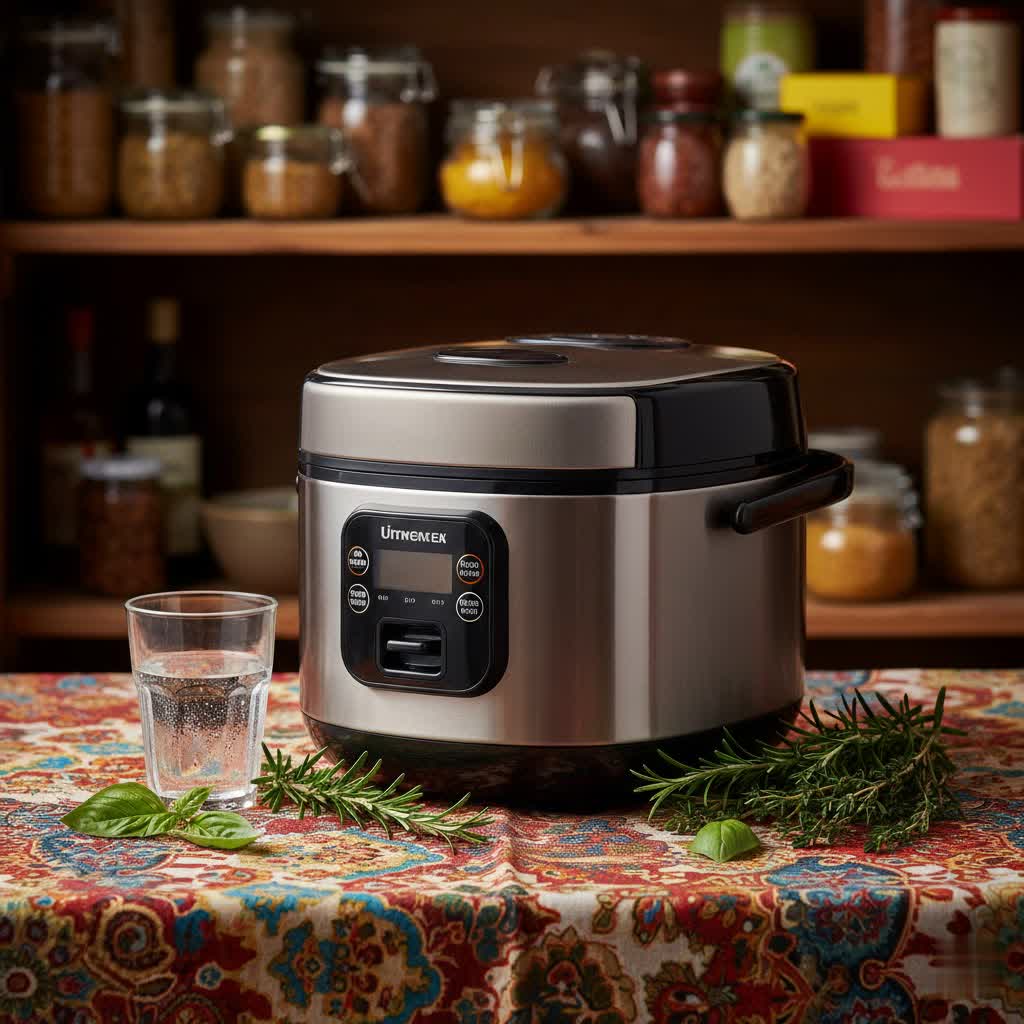
This comprehensive guide is designed to transform your brown rice cooking experience. We’ll delve deep into the world of rice cookers, exploring advanced technologies like Induction Heating (IH), examining various types of inner pot materials, and providing expert advice to help you choose the best rice cooker to consistently deliver perfectly cooked, nutritious brown rice for your family. Say goodbye to guesswork and hello to consistently delicious, healthy meals.
Table of Contents
- Introduction to Rice Cookers
- 1.1. What is a Rice Cooker?
- 1.2. A Brief History of Rice Cookers
- 1.3. Popular Types of Rice Cookers on the Market
- Classification of Rice Cookers
- 2.1. Mechanical Rice Cookers
- 2.2. Digital Rice Cookers
- 2.3. Induction Heating (IH) Rice Cookers
- 2.4. Mini Rice Cookers
- 2.5. Low-Carb Rice Cookers
- Comparing Rice Cooker Types (Comparison Table)
- 3.1. Detailed Comparison of Rice Cooker Types (Mechanical, Digital, IH, Mini, Low-Carb) by Criteria: Price, Features, Durability, Rice Quality, Target Users
- How to Choose the Right Rice Cooker (Buying Guide)
- 4.1. Determine Your Needs (Number of Servings, Frequency of Use, Desired Functions)
- 4.2. Budget Considerations
- 4.3. Factors to Consider When Buying a Rice Cooker:
- 4.3.1. Capacity
- 4.3.2. Power Consumption
- 4.3.3. Inner Pot Material (Cast Iron, Aluminum, Non-stick, Ceramic…)
- 4.3.4. Cooking Functions (Rice, Porridge, Cake, Reheat…)
- 4.3.5. Brand and Reputation
- 4.3.6. Special Features (Timer, Keep Warm, Self-Cleaning…)
- 4.4. Where to Buy a Rice Cooker? (Appliance Stores, Supermarkets, Online)
- Top Rice Cookers for Brown Rice (Reviews)
- 5.1. Detailed Reviews of Best Rice Cooker Models for Brown Rice by Price Segment
- 5.1.1. Zojirushi Neuro Fuzzy/IH Models
- 5.1.2. Tiger Micom Rice Cooker
- 5.1.3. Hamilton Beach Digital Programmable Rice Cooker
- 5.1. Detailed Reviews of Best Rice Cooker Models for Brown Rice by Price Segment
- How to Use and Maintain Your Rice Cooker For Brown Rice
- 6.1. Proper Usage for Delicious Rice and Extended Cooker Lifespan
- 6.2. Tips for Cleaning and Storing Your Rice Cooker
- Common Issues and Troubleshooting
- 7.1. Rice Cooker Not Heating
- 7.2. Burnt Rice
- 7.3. Mushy Rice
- 7.4. Error Codes
- New Trends in Rice Cooker Technology
- 8.1. Emerging Technologies (AI, IoT)
- 8.2. Smart Rice Cookers
1. Introduction to Rice Cookers
For centuries, rice has been a staple food for billions worldwide. From sticky sushi rice to fluffy basmati, achieving the perfect grain has been an art form. The humble rice cooker has revolutionized this process, turning a potentially tricky culinary task into a simple, automated one, especially for challenging grains like brown rice.
1.1. What is a Rice Cooker?
|
Our Picks for the Best Rice Cooker in 2026
As an Amazon Associate I earn from qualifying purchases.
|
||
| Num | Product | Action |
|---|---|---|
| 1 | AROMA® Select Stainless® Rice Cooker, 3-Cup (Uncooked) / 6-Cup (Cooked), Stainless Steel Inner Pot, Small Rice Cooker, Auto Keep Warm, 1.2 Qt, White, ARC-753SG |

|
| 2 | Rice Robot Personal Rice Cooker, PFAS-free, Nonstick. 1 Quart Capacity, with Stainless Steel Steamer Tray, Measuring Cups, Recipe Book with 60 Recipes, and Serving Spoon, As Seen On TV |
|
| 3 | BLACK+DECKER Rice Cooker 6-Cup (Cooked) with Steaming Basket, Removable Non-Stick Bowl, White |
|
| 4 | Aroma Housewares 4-Cups (Cooked) / 1Qt. Rice & Grain Cooker (ARC-302NGP), Pink |
|
| 5 | Beautiful 10-in-1 6 Qt Multi-Cooker with LED Digital Display – Multi-Function Appliance for Rice, Steam, Slow Cook, Sear, Roast & Daily Meals, Nonstick Pot, Space-Saving Solution for Kitchen Cooking |
|
| 6 | AROMA Digital Rice Cooker, 4-Cup (Uncooked) / 8-Cup (Cooked), Steamer, Grain Cooker, Multicooker, 2 Qt, Stainless Steel Exterior, ARC-914SBD |
|
| 7 | Elite Gourmet ERC-003 Electric Rice Cooker with Automatic Keep Warm Makes Soups, Stews, Grains, Hot Cereals, White, 6 Cups Cooked (3 Cups Uncooked) |
|
| 8 | AROMA® Rice Cooker, 3-Cup (Uncooked) / 6-Cup (Cooked), Small Rice Cooker, Oatmeal Cooker, Soup Maker, Auto Keep Warm, 1.5 Qt, White, ARC-363NG |
|
| 9 | Elite Gourmet ERC003BX Electric Rice Cooker with Automatic Keep Warm Makes Soups, Stews, Grains, Hot Cereals, 6 Cups Cooked (3 Cups Uncooked), Black |
|
| 10 | Beautiful 10-in-1, 6-Qt Electric Multi-Cooker - Programmable Touch Display - 7 Presets up to 400 °F - Sear Slow-Cook Steam Rice Warm - Oven-Safe Pot & Lid (White) |
|
A rice cooker is a dedicated kitchen appliance designed to boil or steam rice perfectly. It typically consists of a main body with a heating element, an inner cooking pot, and a lid. The fundamental principle is straightforward: it heats water to a boil, then maintains a precise temperature to absorb water into the rice grains until they are perfectly cooked. The beauty of modern rice cookers lies in their ability to detect when the water has been absorbed, automatically switching to a “keep warm” function to prevent burning and maintain an ideal serving temperature.
1.2. A Brief History of Rice Cookers
The first electric rice cooker emerged in Japan in the 1950s, a simple device that significantly reduced the labor involved in preparing rice. Early models were basic, often just a pot with a heating element and a thermostat. Over the decades, technology evolved rapidly. The introduction of microchip (Micom) and later Induction Heating (IH) technology brought unparalleled precision and versatility, transforming the appliance from a single-purpose cooker into a multi-functional kitchen workhorse capable of handling diverse grains and even complex dishes, making it indispensable for brown rice enthusiasts.
1.3. Popular Types of Rice Cookers on the Market
Today’s market offers a wide array of rice cookers, each catering to different needs and budgets. From basic mechanical models to advanced IH and fuzzy logic cookers, the choices can be overwhelming. Understanding the differences is key, especially when seeking a rice cooker specifically designed to handle the unique demands of brown rice, which benefits greatly from consistent and even heat distribution.
2. Classification of Rice Cookers
Rice cookers can be broadly categorized by their heating mechanism and control system. Each type offers distinct advantages, particularly when considering the longer cooking times and specific hydration needs of brown rice.
2.1. Mechanical Rice Cookers
Mechanical, or conventional, rice cookers are the most basic and typically the most affordable. They operate with a simple on/off switch and a single heating element at the bottom. Once the water boils and is absorbed, a thermostat trips, switching the cooker to “keep warm.” While effective for white rice, they can be less consistent with brown rice, sometimes leading to uneven cooking or a crusty bottom due to less precise temperature control.
2.2. Digital Rice Cookers
Digital rice cookers, often referred to as “Micom” (Microcomputer) rice cookers, employ a microchip that uses “fuzzy logic” technology. This allows the cooker to make small adjustments to temperature and cooking time based on the type of rice and even ambient conditions. They usually feature multiple preset programs for different rice types (including a dedicated brown rice setting), porridge, sushi rice, and sometimes steaming or slow cooking. This intelligence makes them significantly better at handling brown rice, ensuring more consistent and desirable results.
2.3. Induction Heating (IH) Rice Cookers
Induction Heating (IH) rice cookers represent a significant leap in technology. Instead of a heating plate, electromagnetic fields heat the entire inner pot directly and evenly from all sides (360 degrees). This precise and consistent heat distribution is paramount for cooking brown rice, allowing heat to penetrate deep into each grain, ensuring it cooks thoroughly and uniformly. Many IH models also incorporate pressure cooking, which further softens the tough outer layers of brown rice, resulting in a remarkably tender and digestible texture. This technology is a game-changer for brown rice lovers.
2.4. Mini Rice Cookers
Mini rice cookers are compact units, typically with a capacity of 3 cups or less. They are ideal for individuals, couples, or small households with limited counter space. While often simpler in features, many mini models now incorporate digital controls and even specific brown rice settings, making them a viable option for those who want small, perfectly cooked portions of brown rice without the bulk of a larger appliance.
2.5. Low-Carb Rice Cookers
Low-carb rice cookers are a newer innovation designed to reduce the carbohydrate content of cooked rice. They typically feature a separate inner basket that drains excess starch during the cooking process. While the primary focus is on carb reduction, some models can still cook brown rice, but it’s crucial to check if they have dedicated brown rice settings and can achieve the desired texture given their unique cooking method.
3. Comparing Rice Cooker Types (Comparison Table)
Choosing the right rice cooker, especially when brown rice is a priority, involves weighing various factors. This table offers a side-by-side comparison to help you understand which type aligns best with your needs.
3.1. Detailed Comparison of Rice Cooker Types
| Feature / Type | Mechanical | Digital (Micom) | Induction Heating (IH) | Mini | Low-Carb |
|---|---|---|---|---|---|
| Price Range | Low ($20 – $50) | Mid ($50 – $150) | High ($150 – $600+) | Low-Mid ($25 – $100) | Mid-High ($100 – $300) |
| Features | Basic cook & warm | Multiple presets, timer | Precise temp control, pressure, AI | Compact, basic/some presets | Starch reduction, basic rice |
| Durability | Moderate | Good | Excellent | Good | Moderate |
| Brown Rice Quality | Can be inconsistent, crusty | Good, dedicated setting | Excellent, fluffy, tender, consistent | Decent to good | Varies, check specific models |
| Cooking Time | Standard | Standard to slightly longer | Longer (soaking cycle for perfection) | Standard | Standard |
| Target Users | Budget-conscious, occasional | Regular users, various rice | Enthusiasts, healthy eaters, brown rice | Small households, limited space | Health-focused, carb-conscious |
4. How to Choose the Right Rice Cooker (Buying Guide)
Selecting a rice cooker for brown rice requires careful consideration beyond just basic functionality. Your choice will impact the quality and consistency of your brown rice.
4.1. Determine Your Needs
Before you start browsing, think about how you’ll use the rice cooker.
- Number of people: How many servings of rice do you typically need? (e.g., 1-2 cups for singles/couples, 5.5 cups for families of 4-6).
- Frequency of use: Do you cook rice daily, weekly, or just occasionally? Frequent cooks will benefit from more durable and advanced models.
- Desired functions: Beyond brown rice, do you want to cook white rice, sushi rice, porridge, steam vegetables, or even bake cakes?
4.2. Budget Considerations
Rice cookers range widely in price. Mechanical models are very affordable, while advanced IH and fuzzy logic cookers can be a significant investment. For consistently perfect brown rice, a digital or IH model is generally recommended, requiring a mid-to-high budget. Remember that a higher initial investment often translates to better performance, durability, and a more satisfying cooking experience for challenging grains like brown rice.
4.3. Factors to Consider When Buying a Rice Cooker
4.3.1. Capacity
Capacity is measured in uncooked rice cups (typically 180ml per cup).
- 3-cup: Ideal for 1-2 people.
- 5.5-cup: Most popular size for families of 3-5.
- 10-cup: Suitable for larger families or meal prepping.
Brown rice expands, so consider the yield and ensure the capacity meets your needs without overfilling.
4.3.2. Power Consumption
Most home rice cookers range from 300W (mini) to over 1000W (larger IH models). Higher wattage usually means faster heating, though advanced cookers may use power more efficiently over a longer, gentler cooking cycle. Energy efficiency might be a factor for daily users.
4.3.3. Inner Pot Material
The inner pot is crucial for heat distribution and non-stick properties.
- Non-stick (Teflon/Ceramic coated): Common, easy to clean, prevents sticking. Look for durable, scratch-resistant coatings.
- Stainless Steel: Durable, chemical-free, but may require more care to prevent sticking.
- Cast Iron/Thick Aluminum: Found in higher-end models (especially IH), these provide superior heat retention and even cooking, which is excellent for brown rice’s dense texture. Some high-end pots are platinum-infused for better taste.
4.3.4. Cooking Functions
For brown rice, a dedicated “brown rice” setting is almost essential. Many advanced models also feature:
- GABA Brown Rice: A special setting that soaks brown rice for an extended period to activate gamma-aminobutyric acid, enhancing nutritional value and texture.
- Quick Cook: For when you’re in a hurry (though may not yield optimal brown rice).
- Porridge/Congee, Sushi Rice, Mixed Rice: Versatility for other grains.
- Steam, Slow Cook: Additional cooking capabilities.
4.3.5. Brand and Reputation
Reputable brands often offer better quality, reliability, and customer support. For high-quality brown rice cooking, brands like Zojirushi, Tiger, Cuckoo, and Panasonic are frequently praised for their advanced technology and consistent results. Reading reviews from other brown rice cooks can be particularly insightful.
4.3.6. Special Features
- Delay Timer: Allows you to set the cooking cycle to start hours later, perfect for waking up to fresh brown rice.
- Keep Warm Function: Maintains ideal serving temperature without overcooking. Extended keep-warm modes (up to 24 hours) are a huge plus.
- Automatic Cleaning: Some models have a self-cleaning steam function.
- Removable Inner Lid: Makes cleaning easier.
- Water Level Markings: Clear markings inside the pot for different rice types (including brown rice) ensure precise water ratios.
4.4. Where to Buy a Rice Cooker?
You can find rice cookers at various retailers:
- Appliance Stores: Offer a wide selection and expert advice.
- Supermarkets/Hypermarkets: Good for basic and mid-range models.
- Online Retailers (Amazon, Walmart, Best Buy, direct from manufacturers): Often have the largest selection, competitive prices, and user reviews. Be sure to check return policies.
5. Top Rice Cookers for Brown Rice (Reviews)
Based on consumer feedback, expert testing, and the specific requirements for cooking brown rice, certain models and brands consistently stand out.
5.1. Detailed Reviews of Best Rice Cooker Models for Brown Rice
5.1.1. Zojirushi Neuro Fuzzy/IH Models
Zojirushi is frequently cited as a leader in rice cooker technology, especially for its ability to produce consistently perfect brown rice.
- Technology: Their Neuro Fuzzy Logic models use advanced microcomputer technology to “think” for themselves, making adjustments for optimal cooking. Their IH (Induction Heating) models take this further, heating the entire inner pot evenly, which is crucial for the dense texture of brown rice. Many IH models also incorporate pressure cooking, turning beta starch into alpha starch for softer, more digestible brown rice.
- Brown Rice Performance: Zojirushi cookers excel with brown rice, often featuring dedicated settings for regular brown rice and GABA brown rice. Users report tender, fluffy grains without dryness or crunchiness. The Zojirushi Neuro Fuzzy 5.5-Cup Rice Cooker is often lauded as the “gold standard” for brown rice, consistently delivering fluffy, perfectly cooked results.
- Features: Programmable timers, extended keep-warm functions (up to 12-24 hours), clear water level markings for different rice types, and durable non-stick inner pots.
- Considerations: Zojirushi models, particularly IH and pressure IH, are at the higher end of the price spectrum. They also tend to have longer cooking times due to soaking cycles designed for perfection, though some have “quick cook” settings.
5.1.2. Tiger Micom Rice Cooker
Tiger is another highly respected Japanese brand known for its quality rice cookers.
- Technology: Tiger’s Micom (Microcomputer) rice cookers also use fuzzy logic to adjust cooking parameters.
- Brown Rice Performance: The Tiger Micom 5.5-Cup Rice Cooker (e.g., JBV-A10U) is often highlighted as an excellent choice specifically for brown rice, with a dedicated setting that produces tender, individual grains. It’s noted for consistently outperforming many other models in brown rice preparation.
- Features: Simple, user-friendly displays, multiple cooking settings including brown rice, and often a unique “Synchro-cooking” function that allows you to cook a main dish simultaneously above the rice.
- Considerations: While excellent for brown rice, some models might have fewer overall cooking functions compared to premium Zojirushi models.
5.1.3. Hamilton Beach Digital Programmable Rice Cooker
For those seeking a more budget-friendly option without sacrificing quality brown rice, the Hamilton Beach Digital Programmable Rice Cooker often comes up as a strong contender.
- Technology: This is a digital rice cooker with preset functions.
- Brown Rice Performance: It’s praised for making a near-perfect batch of brown rice in under an hour, which is impressive for its price point. The dedicated brown rice setting helps take the guesswork out of preparation.
- Features: Digital controls, preset functions, keep warm.
- Considerations: While a great value, it might not offer the same level of granular control or advanced features (like pressure cooking) found in higher-end IH models. However, for consistent, fluffy brown rice on a budget, it’s a solid choice.
“A good rice cooker for brown rice isn’t just about cooking; it’s about transforming a hard-to-master grain into a consistently delightful, nutritious experience with minimal effort.” – Admin, ReviewMastr.com, Rice Cooker Expert
6. How to Use and Maintain Your Rice Cooker for Brown Rice
Even the best rice cooker needs proper care and usage to ensure perfect brown rice and a long lifespan.
6.1. Proper Usage for Delicious Rice and Extended Cooker Lifespan
- Measure Accurately: Always use the measuring cup provided with your rice cooker (it’s usually 180ml, not a standard US cup). For brown rice, the general ratio is 1 part rice to 2 parts water. However, always check your specific rice cooker’s manual as water lines inside the pot are the most accurate guide. Some prefer a 1:1.5 ratio for firmer rice.
- Rinse Your Rice: Rinse brown rice thoroughly under cold running water until the water runs clear. This removes excess starch, which can lead to gummy rice. Use a fine-mesh sieve or rinse directly in the inner pot and drain carefully.
- Add Salt/Oil (Optional): A pinch of salt enhances flavor. A teaspoon of olive oil or butter can prevent sticking and add richness.
- Use the “Brown Rice” Setting: If your cooker has one, always use the dedicated brown rice setting. This program is optimized for brown rice’s longer cooking time and higher water absorption needs.
- Do Not Lift the Lid: Resist the urge to peek during cooking! Lifting the lid releases steam and heat, disrupting the cooking process and potentially leading to undercooked rice.
- Rest After Cooking: Once the cooker switches to “keep warm” or signals completion, let the rice rest for an additional 5-10 minutes with the lid closed. This allows the steam to redistribute evenly, resulting in fluffier grains.
- Fluff Gently: Use a rice paddle to gently fluff the rice after resting.
6.2. Tips for Cleaning and Storing Your Rice Cooker
- Unplug Before Cleaning: Always ensure the cooker is unplugged and cooled before cleaning.
- Wash Inner Pot and Lid: Most inner pots are non-stick and can be washed with warm, soapy water and a soft sponge. Avoid abrasive scrubbers that can damage the coating. If the inner lid is removable, wash it separately.
- Wipe Down Exterior: Use a damp cloth to wipe the exterior of the main unit. Never immerse the main body in water.
- Clean Heating Plate: If your cooker has a heating plate, ensure it’s free of any debris or spilled rice to maintain efficient heating.
- Dry Thoroughly: Ensure all parts are completely dry before reassembling and storing to prevent mildew or odors.
7. Common Issues and Troubleshooting
Even with a dedicated brown rice cooker, you might occasionally encounter issues. Here’s how to address some common problems.
7.1. Rice Cooker Not Heating
- Check Power: Ensure the cooker is plugged in securely and the outlet is working.
- Setting: Make sure the correct cooking function (e.g., “brown rice”) is selected and activated.
- Inner Pot Placement: Ensure the inner pot is properly seated in the main unit.
7.2. Burnt Rice
- Too Little Water: The most common cause. Double-check your rice-to-water ratio. Brown rice requires more water than white rice.
- Incorrect Setting: Using a “white rice” setting for brown rice can lead to burning due to shorter cooking cycles.
- Old Rice: Older brown rice can be drier and may require a touch more water.
7.3. Mushy Rice
- Too Much Water: Reduce the water slightly on your next batch.
- Insufficient Rinsing: Excess starch can make rice gummy. Rinse thoroughly.
- Lifting Lid During Cooking: Allows steam to escape, which can lead to uneven cooking and mushiness.
- Not Fluffing: Fluffing after resting helps release steam and separates the grains.
7.4. Error Codes
- Consult Manual: Most digital and IH rice cookers display error codes. Refer to your user manual for the specific meaning and troubleshooting steps for each code. Common errors relate to incorrect inner pot placement or sensor issues.
8. New Trends in Rice Cooker Technology
The evolution of rice cookers continues, with cutting-edge technologies enhancing convenience, precision, and even nutritional benefits, particularly for grains like brown rice.
8.1. Emerging Technologies (AI, IoT)
- Artificial Intelligence (AI): Some high-end IH rice cookers now incorporate AI, allowing them to learn and adapt cooking patterns based on external temperature, water conditions, and even user preferences. This means the cooker continually refines its process to yield perfect brown rice every time.
- Internet of Things (IoT) / Smart Connectivity: Smart rice cookers can connect to your home Wi-Fi, allowing you to control them via a smartphone app. You can start cooking, set timers, choose recipes, and receive notifications remotely, offering unparalleled convenience for busy lifestyles.
8.2. Smart Rice Cookers
Smart rice cookers are designed to integrate seamlessly into a modern smart home. Beyond remote control, they might offer:
- Recipe Databases: Access to a wide variety of recipes directly through the app, with pre-programmed settings for specific dishes.
- Personalization: Ability to customize rice texture (firmer, softer, regular) to an even finer degree than traditional fuzzy logic, ensuring your brown rice is cooked exactly to your liking.
- Voice Assistant Integration: Compatibility with voice assistants like Alexa or Google Assistant for hands-free operation.
These advancements underscore a commitment to making healthy eating, particularly with brown rice, not only easier but also more personalized and integrated into our daily lives.
Frequently Asked Questions
What is the best rice cooker setting for brown rice?
The best setting is usually a dedicated “brown rice” function on digital or IH rice cookers. This setting automatically adjusts the cooking time and temperature, often including a pre-soak, to ensure brown rice’s tougher exterior cooks thoroughly for a tender, fluffy result.
Why does brown rice take longer to cook than white rice in a rice cooker?
Brown rice has its bran and germ layers intact, which are fibrous and require more time and water to soften and absorb moisture compared to polished white rice. A rice cooker’s brown rice setting accounts for this by extending the cooking cycle and often incorporating a soaking period.
Can I cook brown rice in any basic rice cooker?
While most basic rice cookers can cook brown rice, the results may be inconsistent, leading to unevenly cooked or burnt grains at the bottom. For optimal, consistently fluffy brown rice, a digital or Induction Heating (IH) rice cooker with a specific brown rice setting is highly recommended.
What is the ideal water-to-rice ratio for brown rice in a rice cooker?
A common starting point is 1 part brown rice to 2 parts water (or broth). However, it’s always best to consult your specific rice cooker’s manual and use the water level markings inside the inner pot, as these are precisely calibrated for your model.
What are the benefits of an IH rice cooker for brown rice?
Induction Heating (IH) cookers provide precise, even heat distribution from all sides of the inner pot, which is crucial for cooking brown rice uniformly. This results in fluffier, more tender grains, and many IH models also feature pressure cooking to further enhance the texture and digestibility of brown rice.
How can I prevent brown rice from getting mushy or crunchy in my rice cooker?
To prevent mushy rice, use the correct water-to-rice ratio, rinse thoroughly, and avoid lifting the lid during cooking. For crunchy rice, ensure enough water, use the dedicated brown rice setting, and allow it to rest for 5-10 minutes after cooking before fluffing.
Is soaking brown rice necessary before cooking in a rice cooker?
Some digital and IH rice cookers automatically include a soaking phase in their “brown rice” setting. If your cooker doesn’t, a 30-minute pre-soak can help soften the grains, potentially reducing cooking time and yielding a more tender texture, though it’s not strictly necessary for all models.
